Inside the Galápagos: An Artist's Eye
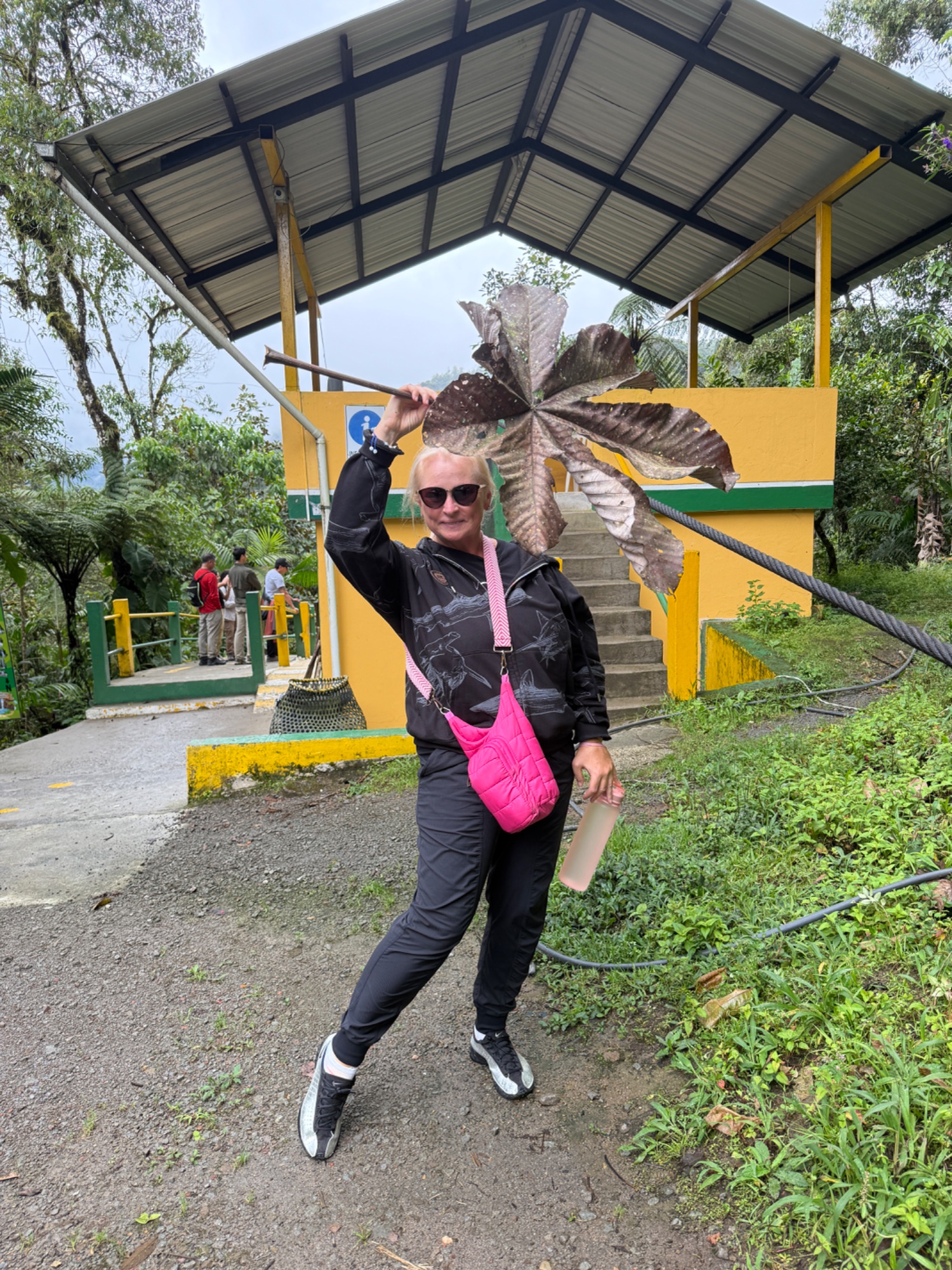
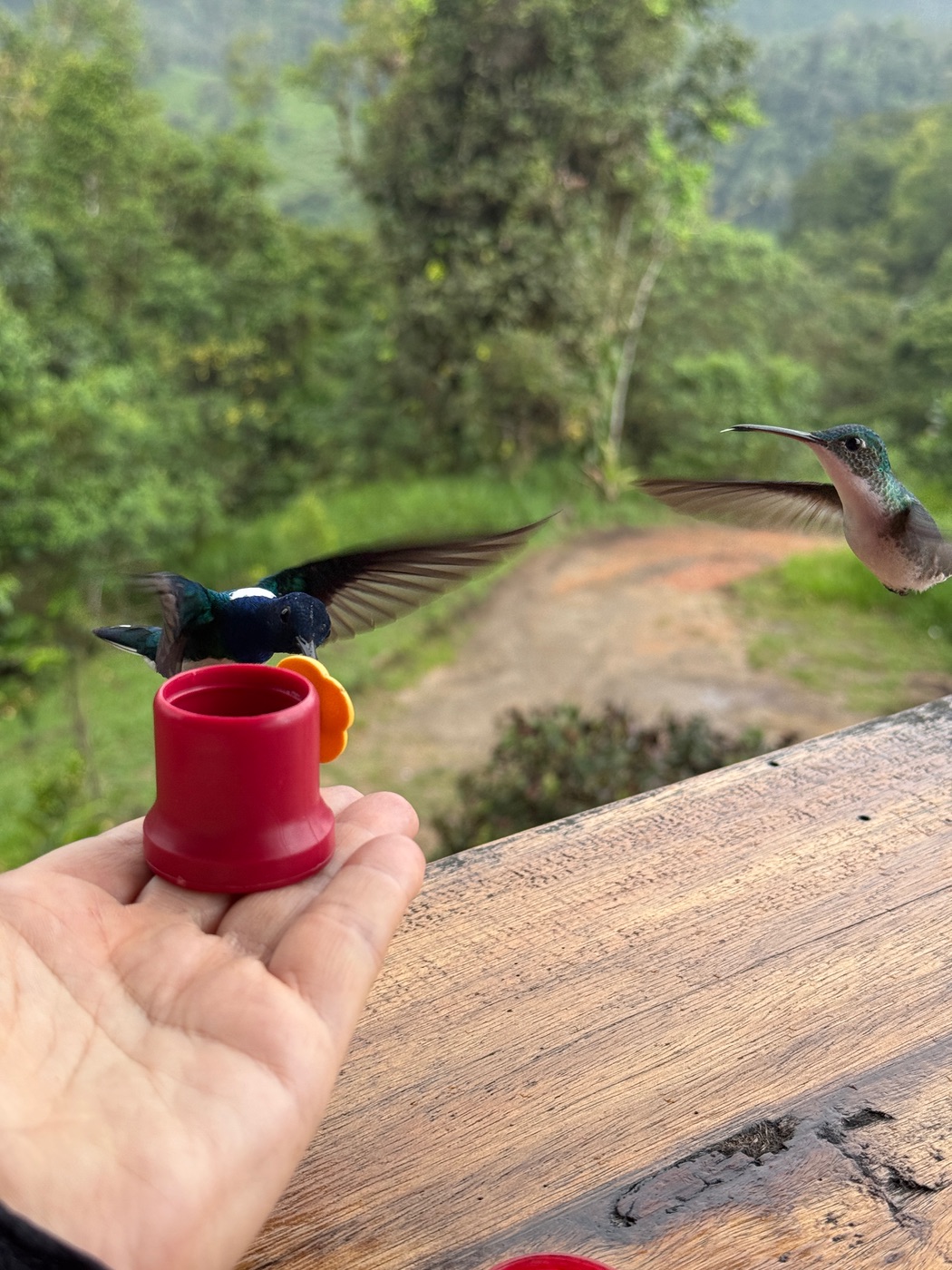
In the Cloud Forest, Mindo, Ecuador.
When I began painting plants seriously, my way of travelling slowly changed. I no longer hurried to see everything. I began to sit, to wait, to notice. A plant reveals itself only when you give it time. Painting became my way of listening.
How botanical painting taught me to travel slowly
Last spring I travelled to Uzbekistan with a small group of eight artists. It was an art journey and we arrived in the desert during the short weeks when spring flowers bloom.
Small and delicate flowers were growing out of the dry earth, even though the heat would soon return and everything would turn to dust again. I sat on the ground with my sketchbook. There was wind and deep silence around me. The plants felt fragile and almost shy and I felt grateful just to see them. To draw them in the place they grew felt peaceful and natural.
That slow rhythm stayed with me and followed me to the Galápagos Islands. I have learned that slowing down takes practice. The first minutes can feel a little restless. The mind wants to move on, to find something more impressive. But if you stay and allow the moment to unfold without expectation, something quietly begins to change. The plant seems to speak in its own gentle way. Observation becomes a gentle way of showing respect.
Arriving in Quito
My journey began in Quito, high in the mountains — almost 3,000 metres above sea level — where the altitude gently forced me to slow down. For two days I rested. At the time I felt fragile, but later I understood it as a necessary pause before everything else could unfold.
Drawing endemic plants at the Charles Darwin Research Center
In Galápagos I spent many hours at the Charles Darwin Research Center, returning again and again with my sketchbook. The plants felt unfamiliar at first, almost distant. But as I read about endemic species and drew them patiently, they began to feel closer.
Before travelling there I imagined bright tropical flowers in strong colours. Instead, most plants carried small white or yellow blooms, modest and easily overlooked. Later I learned this is connected to a local endemic carpenter bee which mainly recognises these two colours. Over time, many plants have adapted to attract this pollinator. Realising this changed the way I looked at the landscape. It reminded me how deeply plants and insects depend on one another.
"There, plants and animals live side by side without separation. Nothing feels rushed. Everything feels connected."
When wildlife is simply part of the day
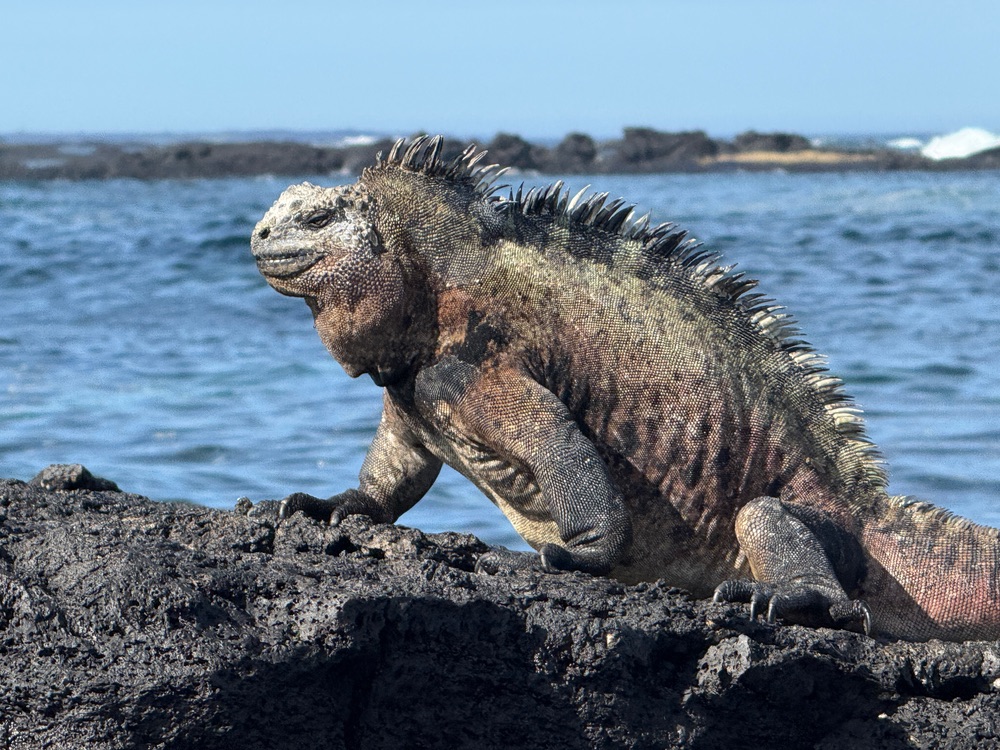
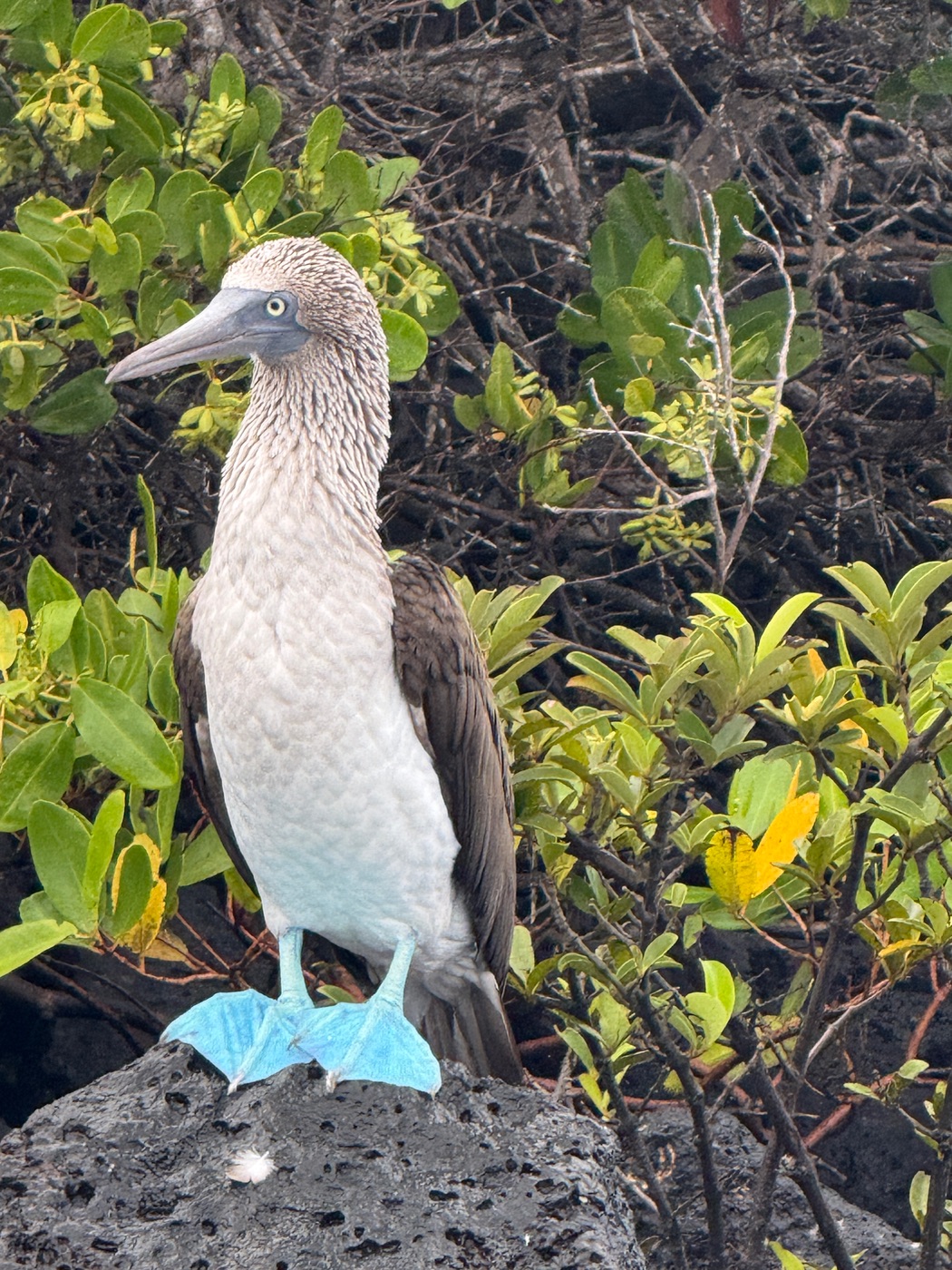
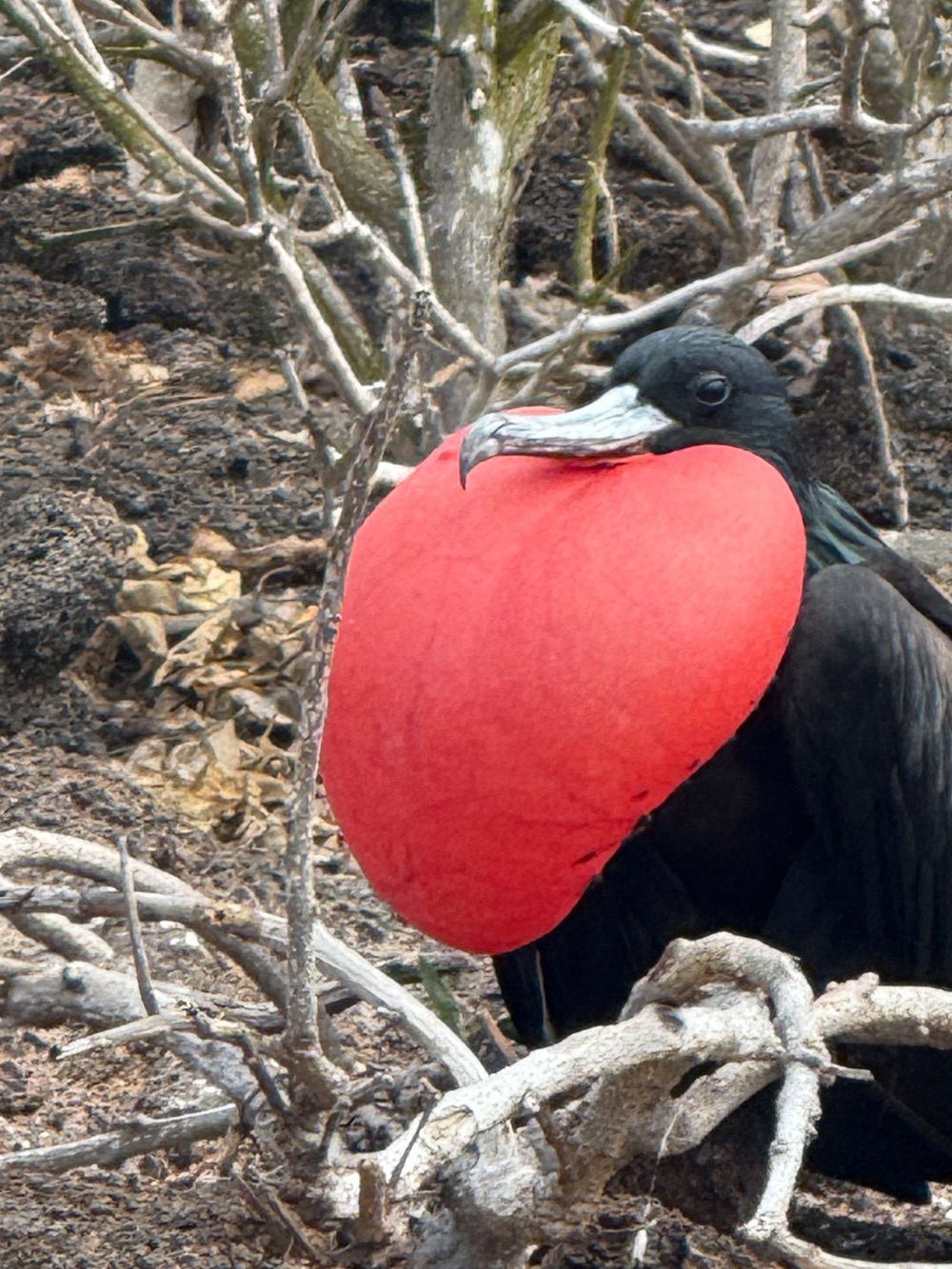
In Galápagos I slowly realised that it makes no sense to separate plants from animals. Giant tortoises move steadily across the land, iguanas rest on warm volcanic rocks and birds stand calmly along the shore. You do not search for wildlife there; it simply exists beside you — on the beach, near the fish market, outside your door. After a while they are no longer 'wildlife'. They are simply part of the day.
I realised I was not studying it from a distance. I was inside it, trying not to disturb anything.
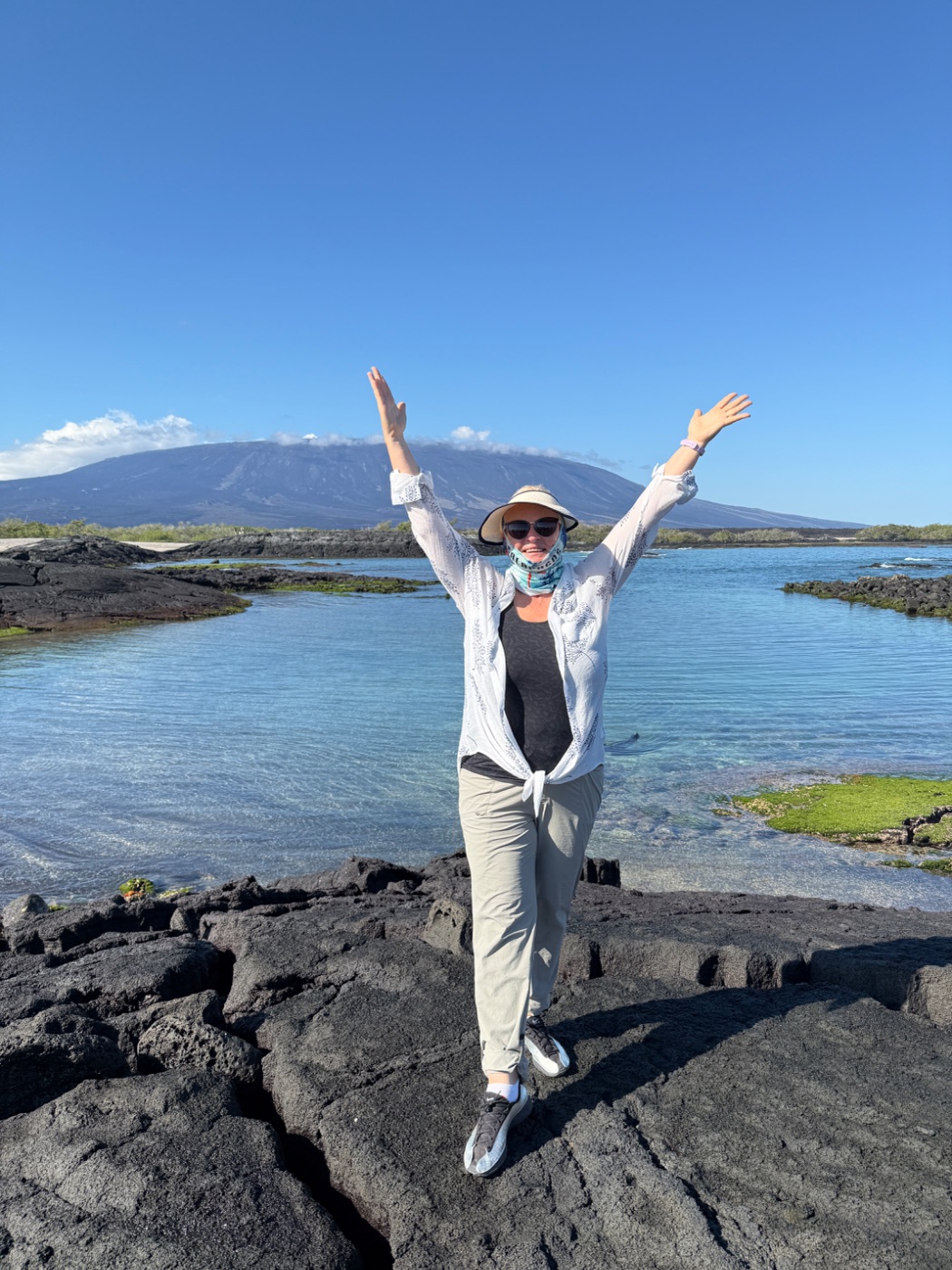
One morning, while photographing pelicans, I almost stepped on an iguana. We both paused, equally startled — and in that small moment I felt how easy it is to forget that you are not alone. The same quiet lesson appears when a tortoise crosses the road and everyone patiently waits. The rhythm belongs to the island, not to us.
Beneath the surface
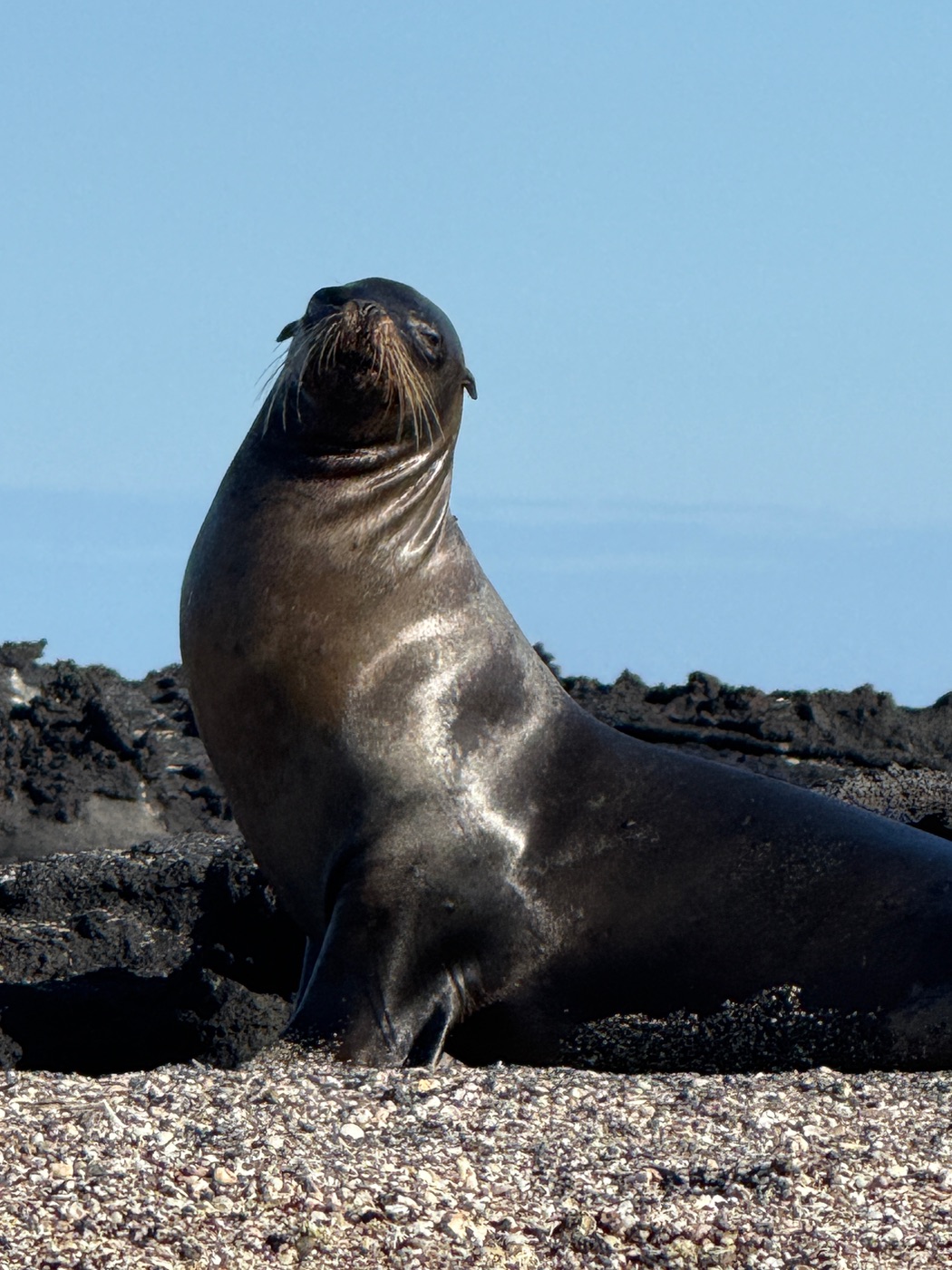
Snorkelling deepened that feeling. Beneath the surface fish moved in shifting light, sea turtles passed calmly, sea lions circled with curiosity and even baby sharks and penguins came close. I did not feel like an observer but like a temporary presence inside something living and complete.
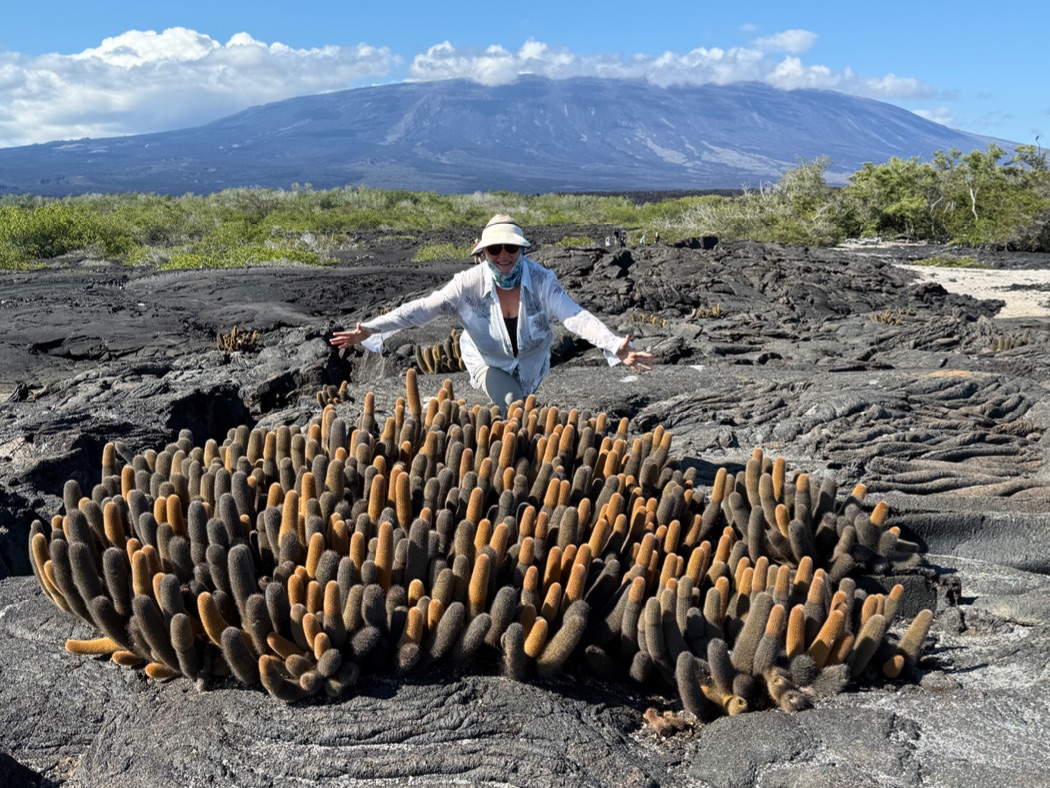
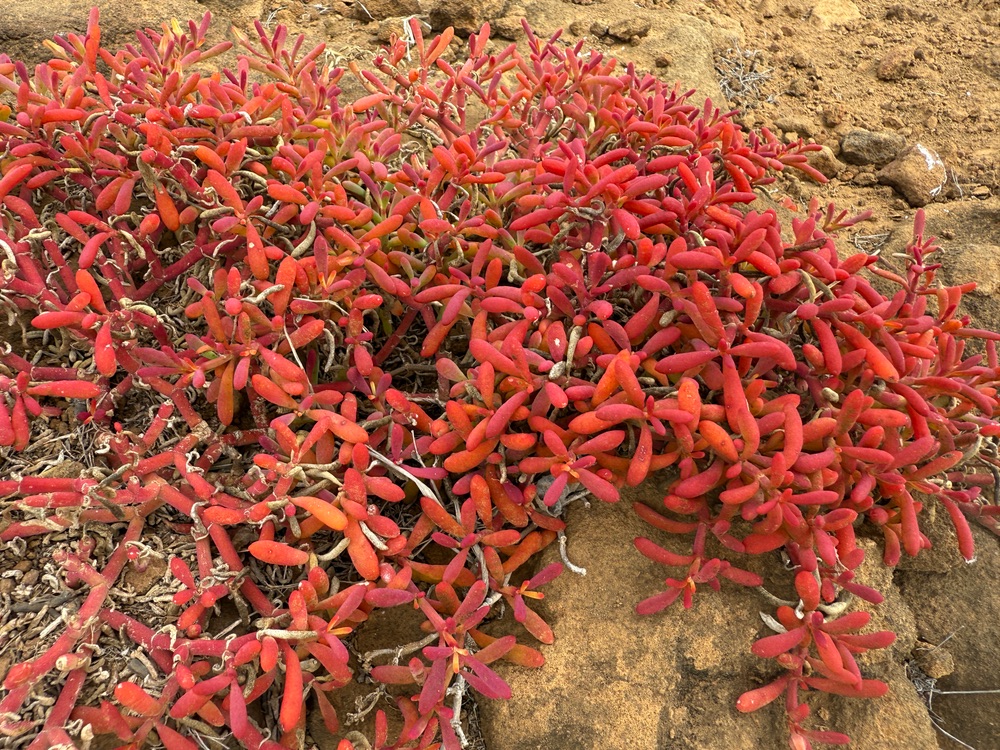
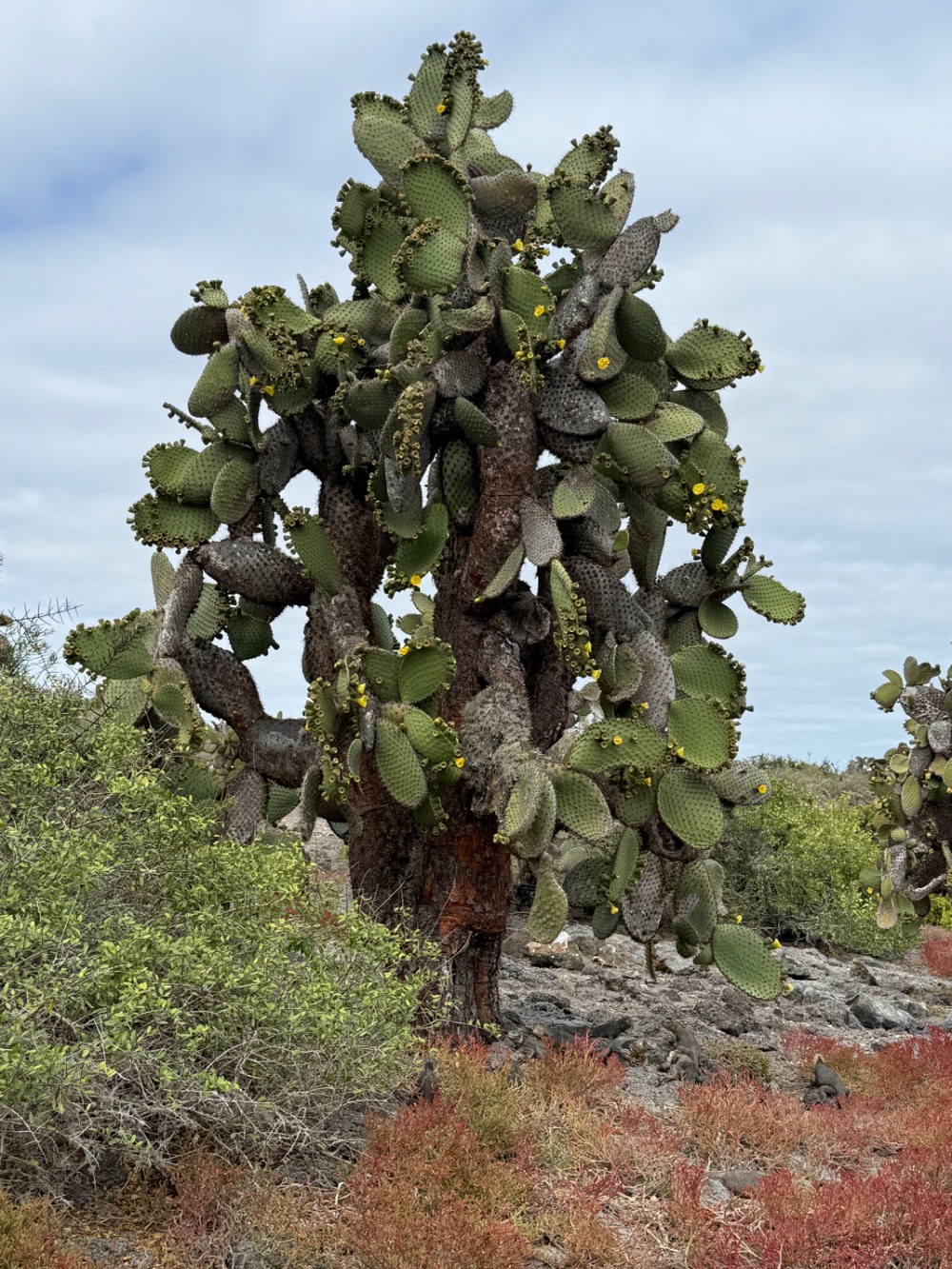
Plants grow out of lava rock as if it were the most natural thing in the world. Cactuses stand like quiet guardians. Everything survives with strength and dignity. Nature is not decoration here — it sets the rules.
Painting by the shore
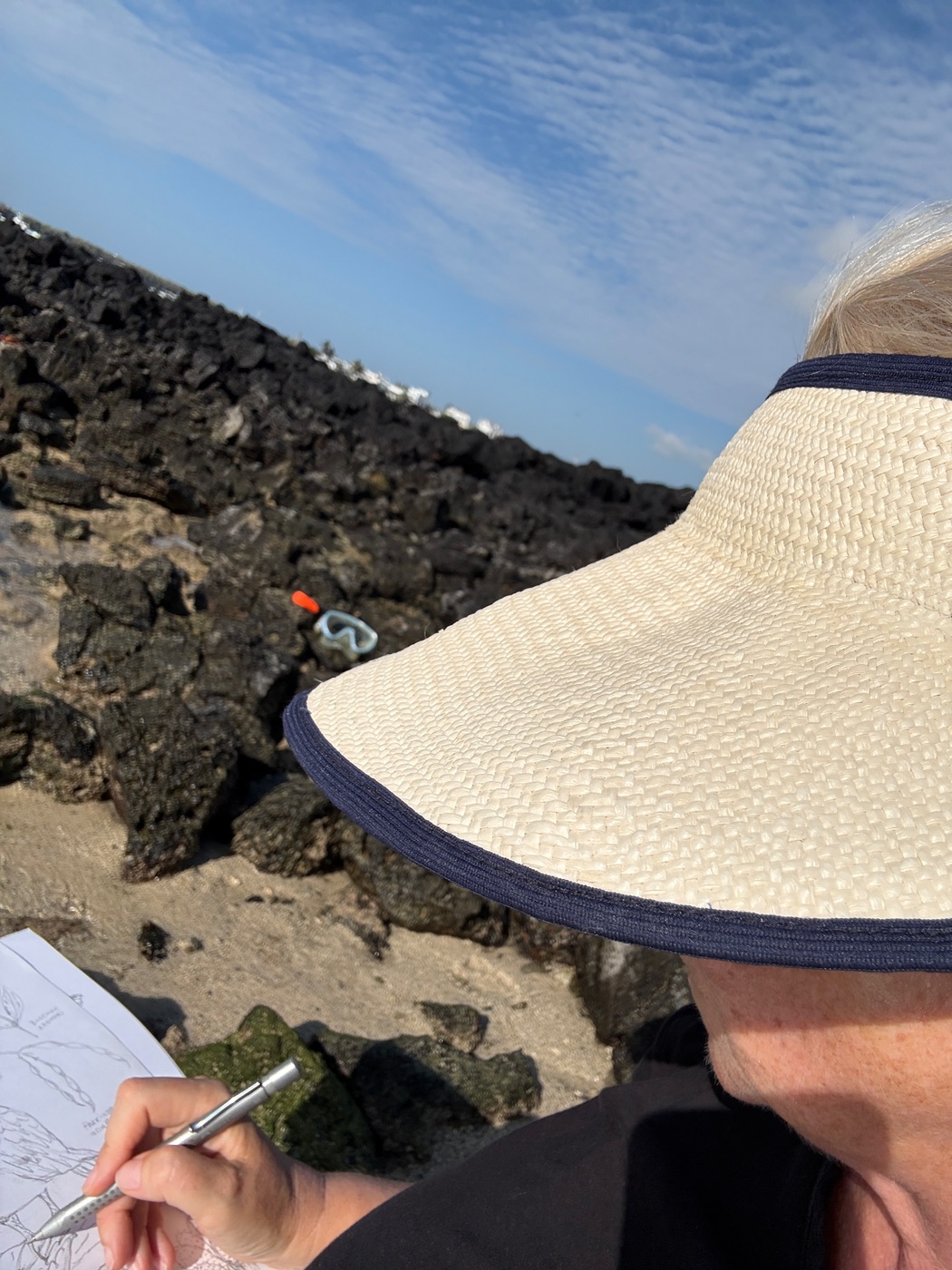
One morning I stopped to paint near the shore and the day unfolded around me. An iguana walked past, pelicans landed nearby and a sea lion settled onto the bench beside me. I moved without hesitation. In that simple gesture I understood my place more clearly.
Being there changes you. You become a little softer and, at the same time, a little stronger. Quieter inside. There is less noise and somehow more life.
By the time I returned to Quito, the journey felt less finished and more like something continuing in a new way.
The Quito Botanical Garden and its artists
I was invited to visit the Jardín Botánico de Quito by its director, Caroline Jijón, who kindly arranged for the talented botanical artists Marife Casaris and Jenny Ordonez to join us. It felt special to meet not only as professionals but as artists who find meaning in quiet details.
This month the garden celebrates its 20th anniversary, together with 35 years of the Quito Orchid Society. In a country so deeply connected with orchids, that history feels important. Ecuador is famous for its orchid diversity, but seeing them gathered and carefully tended inside the garden felt different.
For the first time in my life, I walked through three orchid pavilions, each with its own climate and temperature. Moving from one to another felt like crossing invisible borders — the air shifting, the light softening. The orchids seemed exactly where they belonged.
The visit felt warm and generous. We spoke about plants, drawing and possible shared projects and the conversation unfolded easily and sincerely.
When distance matters very little
On my last day in Quito, Marife kindly invited me to lunch at her home. The three of us sat around the table as botanical artists, exchanging thoughts about illustration and our work with plants. In that moment it felt clear that distance matters very little — even living in different countries we share the same quiet passion for botanical painting.
My Ecuadorian journey will stay with me for a long time. It changed not only what I saw but how I see. And that quiet change feels more important than any destination.