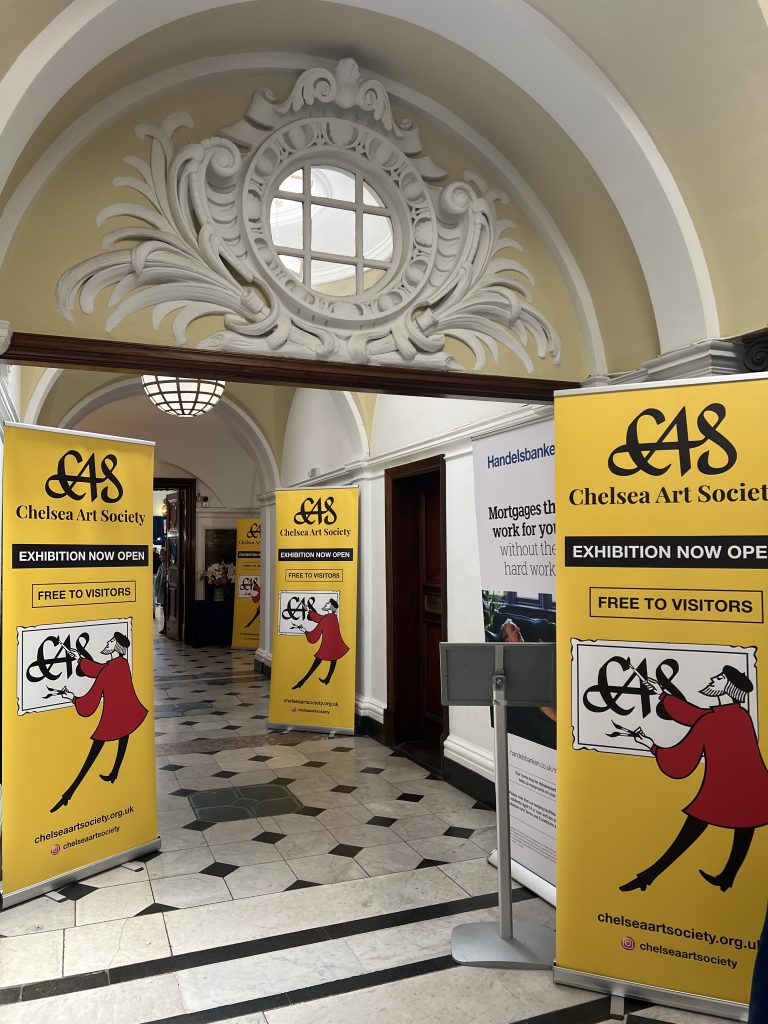
CAS 75th Summer Exhibition
If someone had told me a few years ago that I would spend my weekends carrying paintings across London, discussing leaves with strangers and celebrating the international success of a banana, I would have suggested they get more sleep.
At that time, my life looked very different.
For more than thirty years, I worked in business. The first part of my story can be found here.
My days were filled with meetings, negotiations, deadlines and spreadsheets. Nobody ever asked me whether the shadow on a leaf was too warm or whether a carrot looked happy enough.
Then life changed.
Art entered quietly. At first, it was simply something to help me through a difficult period. A way to keep my hands busy and my mind occupied. I enrolled in a botanical art course with no grand ambitions. I certainly did not imagine that one day I would introduce myself as an artist.
In fact, if someone had called me an artist back then, I would probably have looked over my shoulder to see who they were talking about.
The first exhibition changed something.
Not because I sold a painting.
Not because I won an award.
Not because a famous curator suddenly discovered me while dramatically sipping champagne in front of my work.
Nothing so cinematic happened.
The change was much quieter.
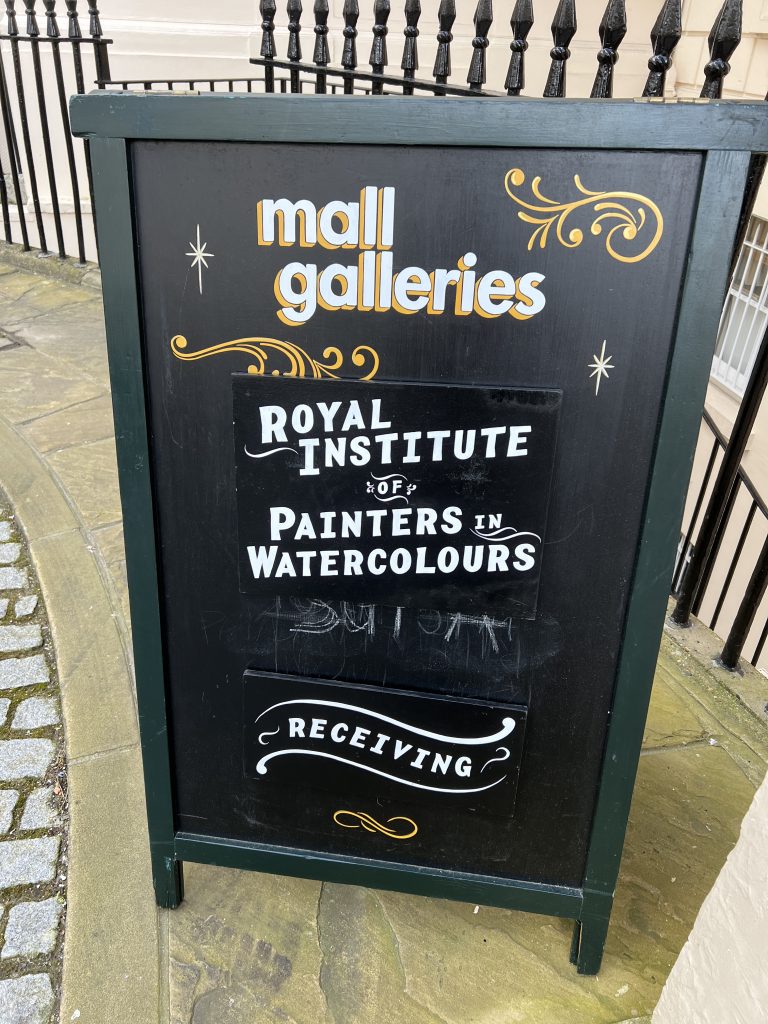
SBA Plantae 24 Exhibition
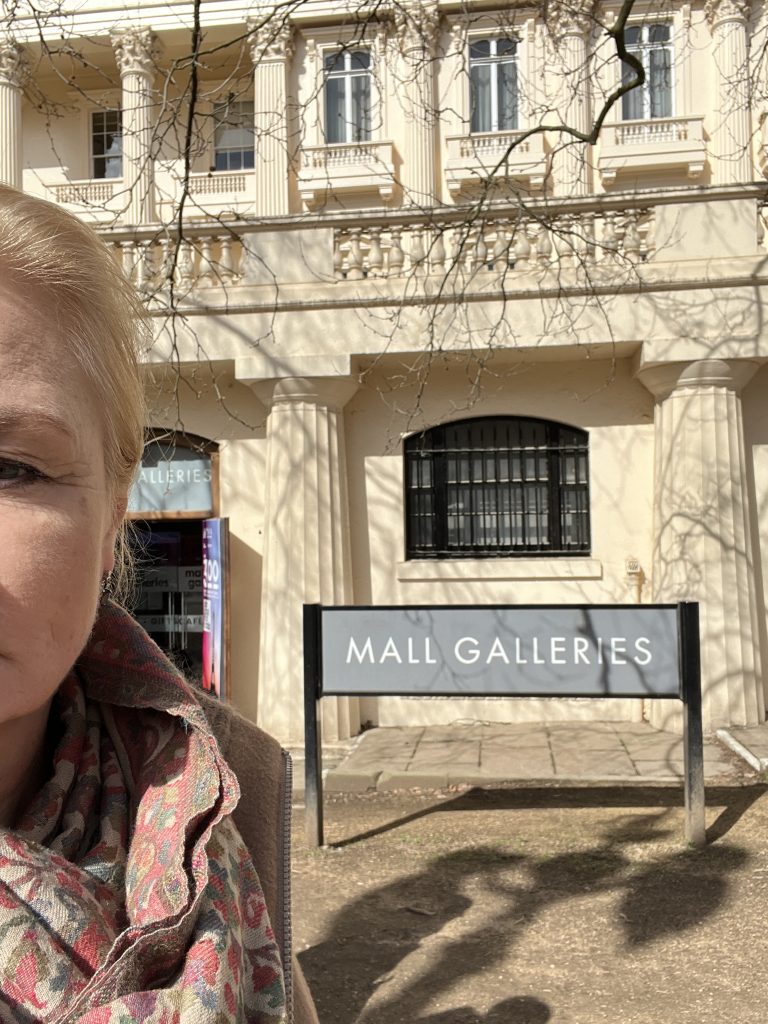
It happened at Plantae, a botanical art exhibition at the Mall Galleries in London. My paintings were hanging on the wall among the work of artists I admired. Visitors walked through the exhibition, stopping here and there. Some glanced briefly. Some stayed longer.
One person stood in front of one of my paintings for what felt like several minutes.
I remember thinking: ‘That’s interesting.’
Until that moment, painting had been a private activity. Something that happened between me, a brush and a rather demanding leaf.
Now the work belonged partly to other people.
The experience was unexpectedly addictive.
Not fame. Not recognition.
Connection
After Plantae, I found myself searching for the next exhibition. Then the next. Then another one after that – thirteen exhibitions in one year, though I never planned it that way.
Apparently, exhibitions are like potato crisps. It is difficult to stop at one.
Soon my paintings appeared at Green & Stone Gallery in Chelsea. If you are an artist, Green & Stone is a little bit like entering a sweet shop as a child. Everywhere you look there are beautiful materials, wonderful papers and paints that whisper, ‘Take me home.’
I was delighted when my work was accepted.
Then came more exhibitions.
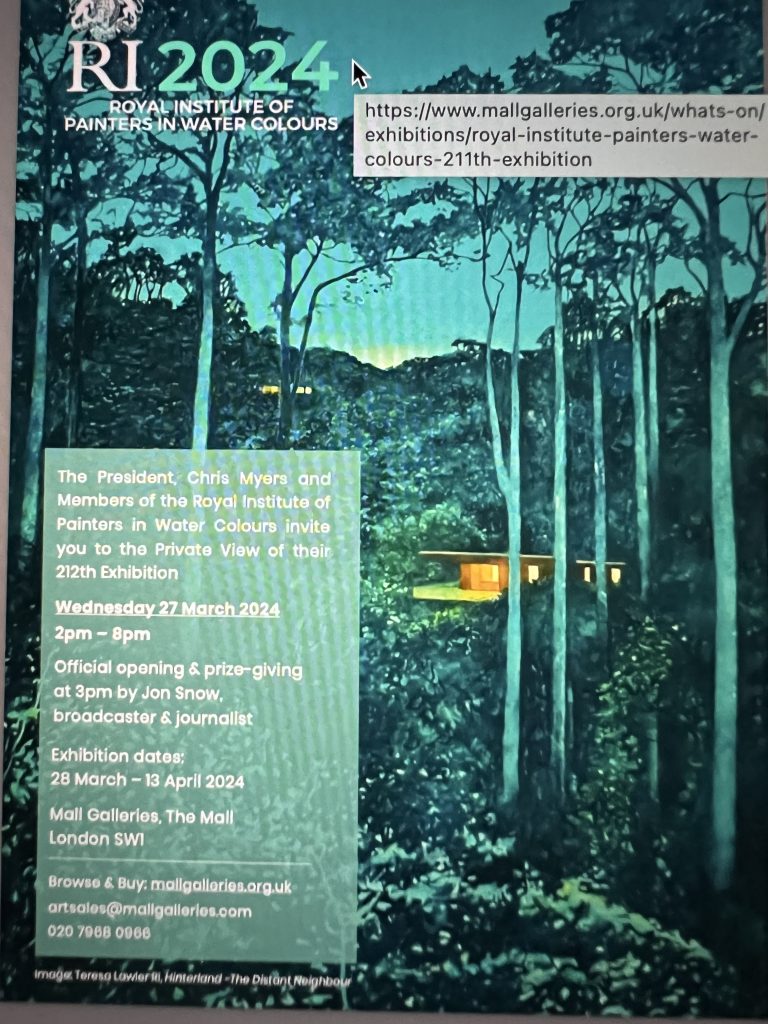
RI Exhibition in The Mall Galleries
The Royal Institute of Painters in Water Colours at the Mall Galleries.
Open exhibitions.
Society exhibitions.
Online exhibitions.
Gallery exhibitions.
At some point I stopped counting and started applying.
Every acceptance email felt like a small vote of confidence. Every rejection email felt like valuable practice in being a grown-up.
Artists become remarkably philosophical about rejection.
We have no choice.
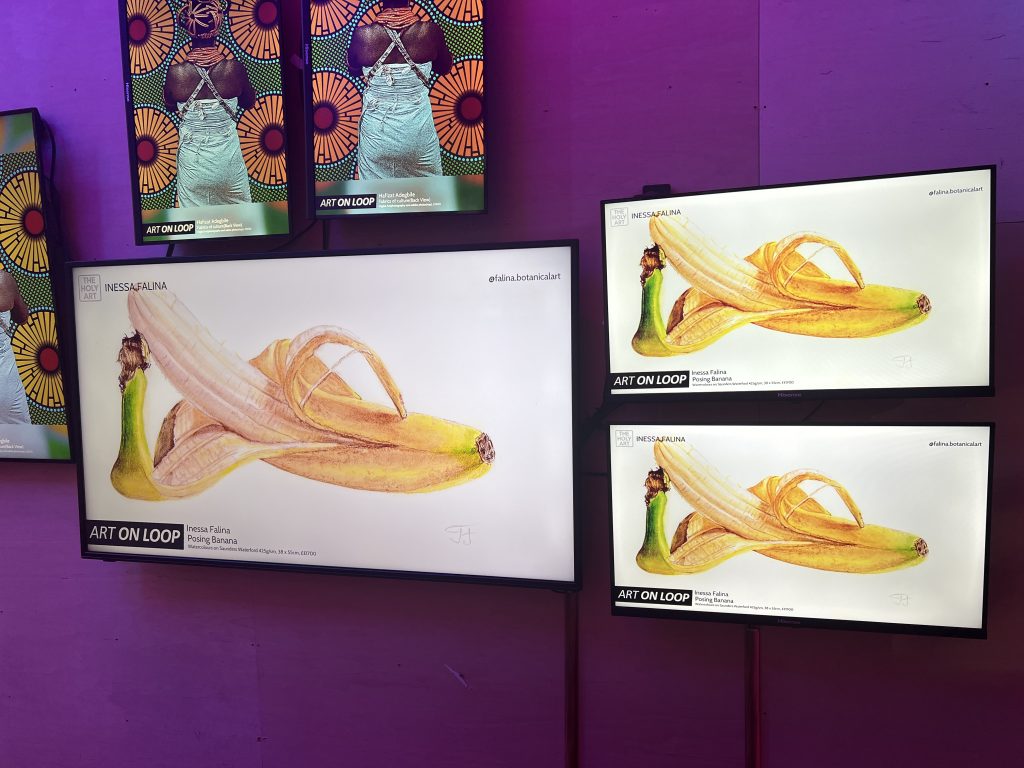
Exhibition in The Holy Art Gallery, London
Then came the painting that would become unexpectedly famous.
The banana.
More specifically, a banana with attitude.
A banana that appeared to be posing.
A banana entirely comfortable with being the centre of attention.
A banana with better posture than many humans.
When I painted it, I thought it was amusing. What I did not expect was how much people would respond to it. Visitors smiled when they saw it. Then they stopped. Then they looked again.
The banana became a conversation starter. Later that year, Saatchi Art reached out to feature it on their platform — which I still find quietly surprising
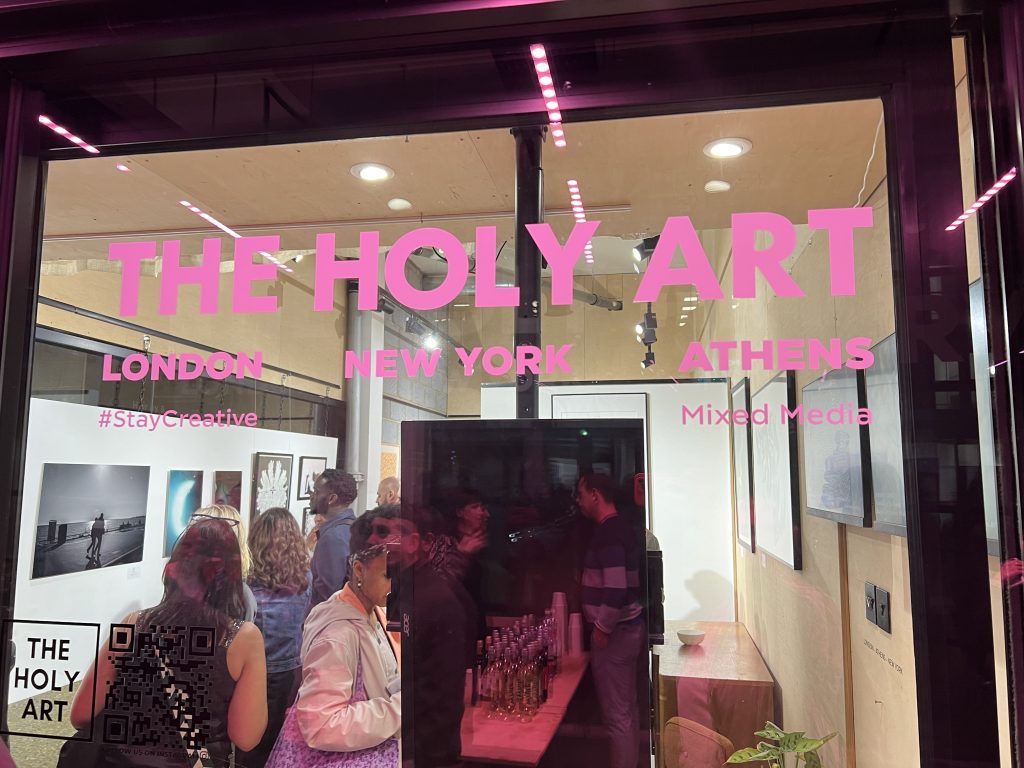
First exhibition in The Holly Art Gallery, London
It travelled to exhibitions with The Holy Art Gallery in London.
Then it travelled to Athens.
I still smile when I think about that.
There I was, standing in a gallery in Greece, looking at a painting of a banana that had travelled further than some people I know.
That was one of those moments when I realised how much my life had changed.
I had started with a single exhibition.
Now my work was crossing borders.
The banana, meanwhile, remained impressively calm about the whole situation.
The exhibitions continued.
The Association of Botanical Artists introduced me to online exhibitions and a global audience.
Oxfordshire gave me one of the most peaceful and beautifully curated exhibitions of the year.
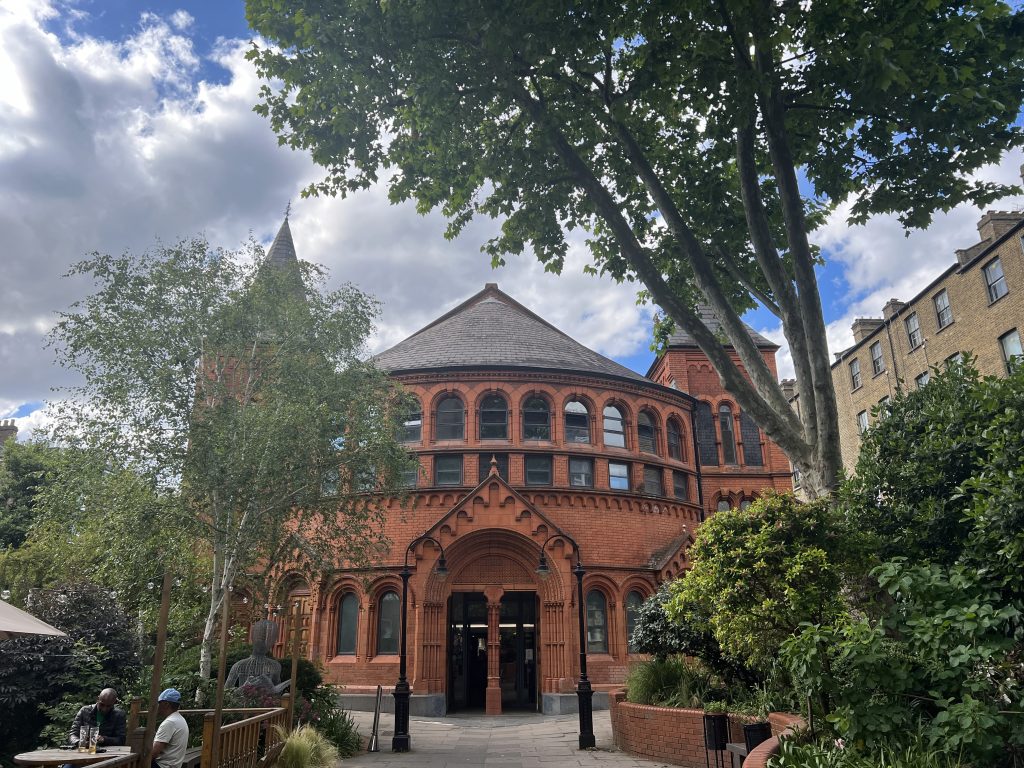
Exhibition in historical Tabernacle in Notting Hill
The Tabernacle in Notting Hill brought something completely different. The building carries decades of stories in its walls. It has character, history and a certain London magic that cannot be manufactured.
Each exhibition taught me something.
Not necessarily about painting.
About people.
About how different viewers respond to the same work.
About how art creates conversations between strangers.
About how a simple painting can remind someone of a memory they had forgotten.
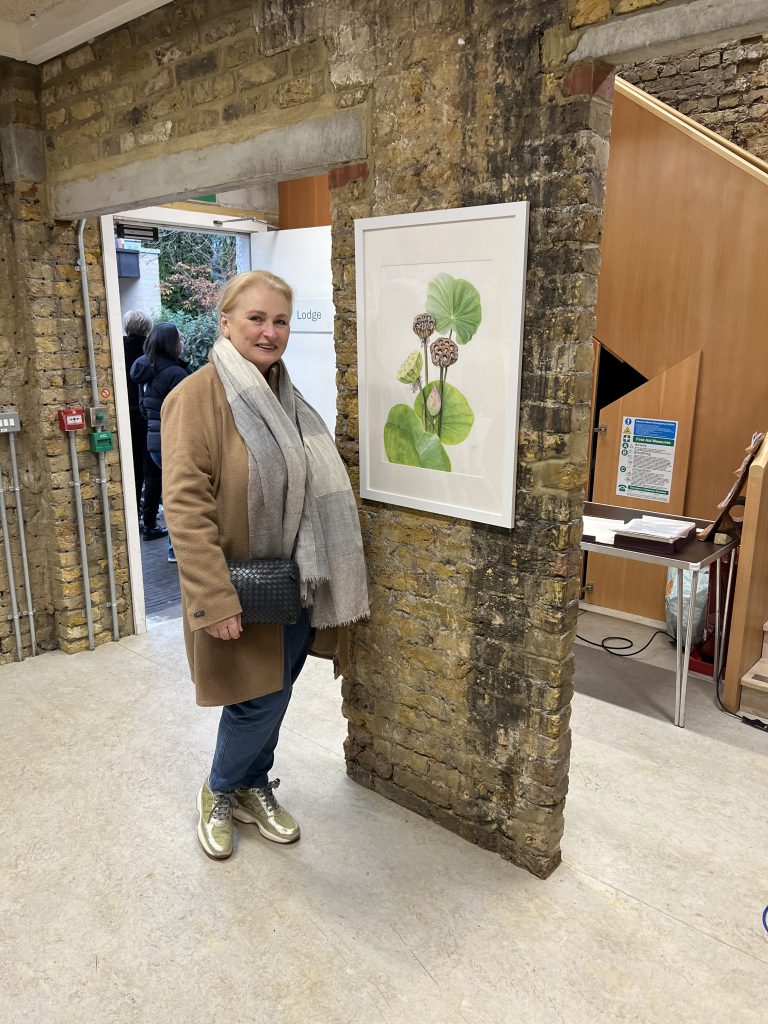
Exhibition of the year in Fulham
The final exhibition of the year was perhaps the most important.
Mental Health in Art.
This exhibition stayed with me long after it ended.
Many visitors arrived carrying invisible stories.
Many artists were sharing deeply personal experiences.
The atmosphere was different.
The conversations were different.
For the first time, I understood more clearly that art is not only about beauty.
It is also about comfort.
Connection.
Recognition.
Sometimes a painting says what a person cannot.
As I walked through that exhibition, I realised that this was one of the reasons I paint.
Not simply to create beautiful images of plants.
But to create moments of pause.
Moments when people feel seen.
Moments when they feel a little less alone.
Sometime during that year, I made a small change on Instagram.
One word.
Artist.
It took only a second to type.
It had taken much longer to believe.
For years, the word felt too large.
Too important.
Too reserved for other people.
People with grand studios and important-looking scarves.
People who never worried about whether they deserved the title.
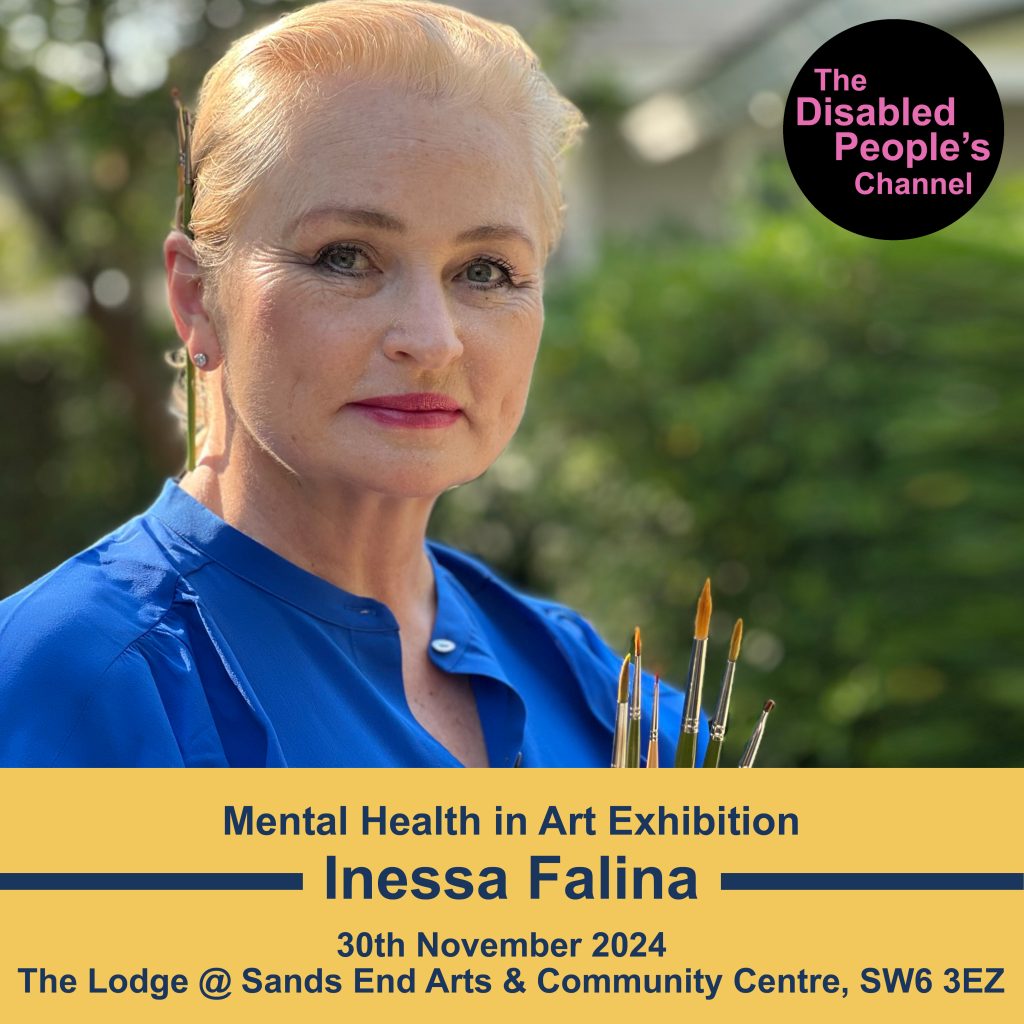
I was happy to support this exhibition
But after thirteen exhibitions, countless paintings, many conversations and one internationally exhibited banana, something shifted.
The word no longer felt like an ambition.
It felt like a fact.
By the end of the year, I understood that this was not a hobby.
Not a phase.
Not a pleasant distraction.
This was my work.
My future.
My commitment.
Which is why I applied for the Diploma with the Society of Botanical Artists.
Twenty-seven months of study.
Twenty-seven months of challenge.
Twenty-seven months of learning to see more carefully than ever before.
It was the biggest commitment I had made to my artistic development.
And, surprisingly, it was also one of the easiest decisions.
Because by then I already knew.
The exhibitions had taught me.
The paintings had taught me.
Even the banana had taught me.
When something continues to pull you forward year after year, it is usually worth paying attention.
And so I did.
ABOUT THE AUTHOR
Inessa Falina is a London-based botanical artist and teacher. A fellow of the Linnean Society in London and member of the Chelsea Physic Garden Florilegium Society and Society Botanical Artists, she has exhibited at The Mall Galleries and Chelsea Old Town Hall, with work held in private collections across Europe, the USA and Australia. Through her art and teaching, she helps people slow down, observe nature deeply and find calm through the practice of painting. You can follow her work on Instagram at @inessa.falina
— Inessa