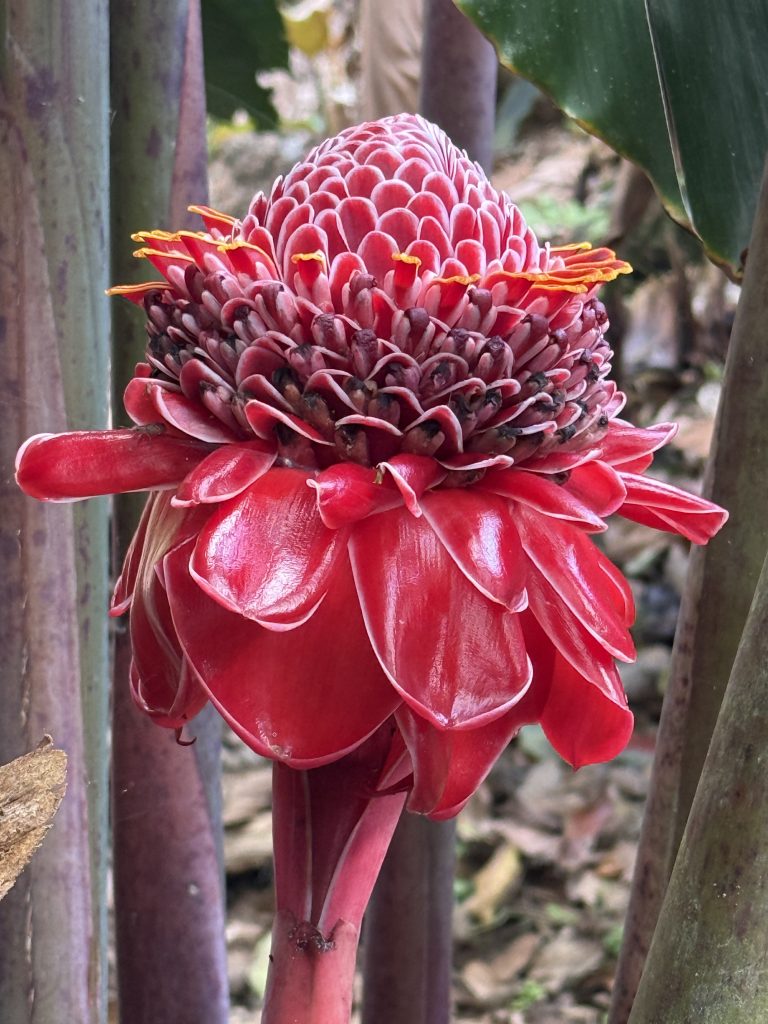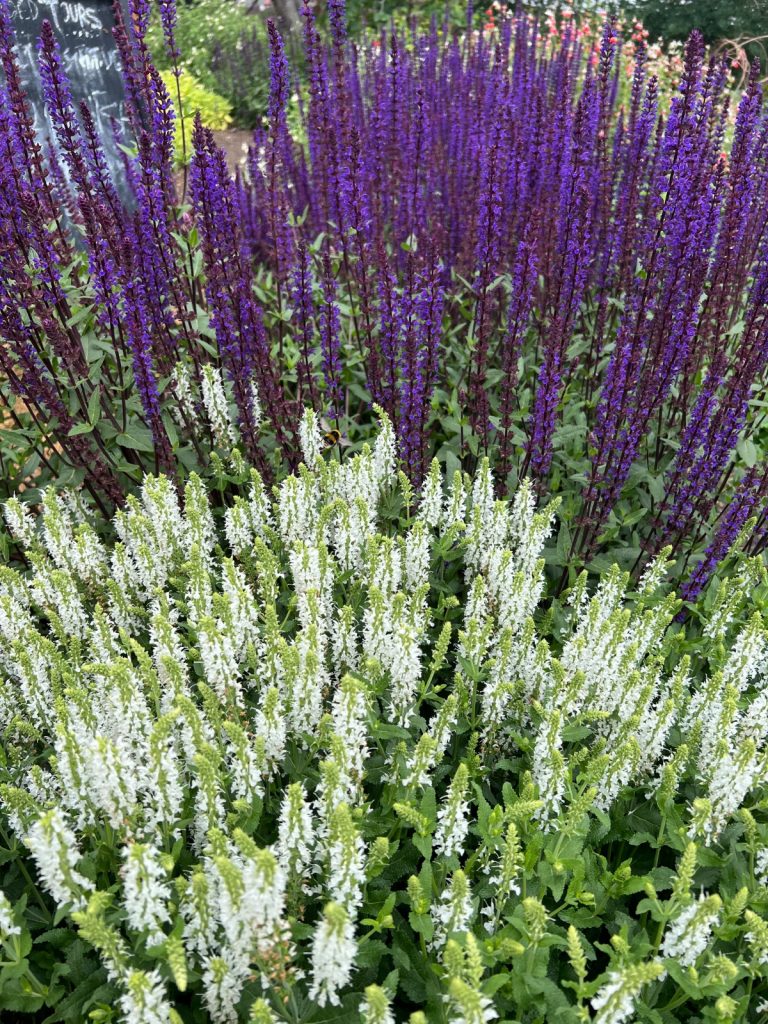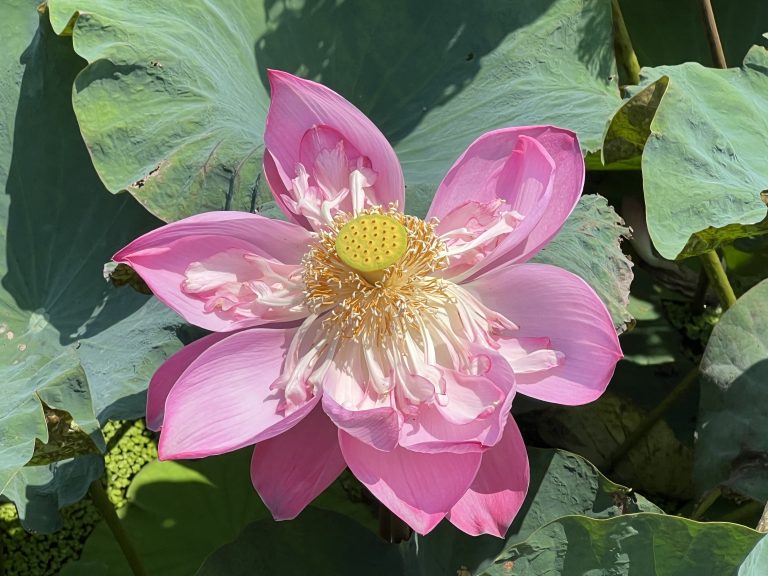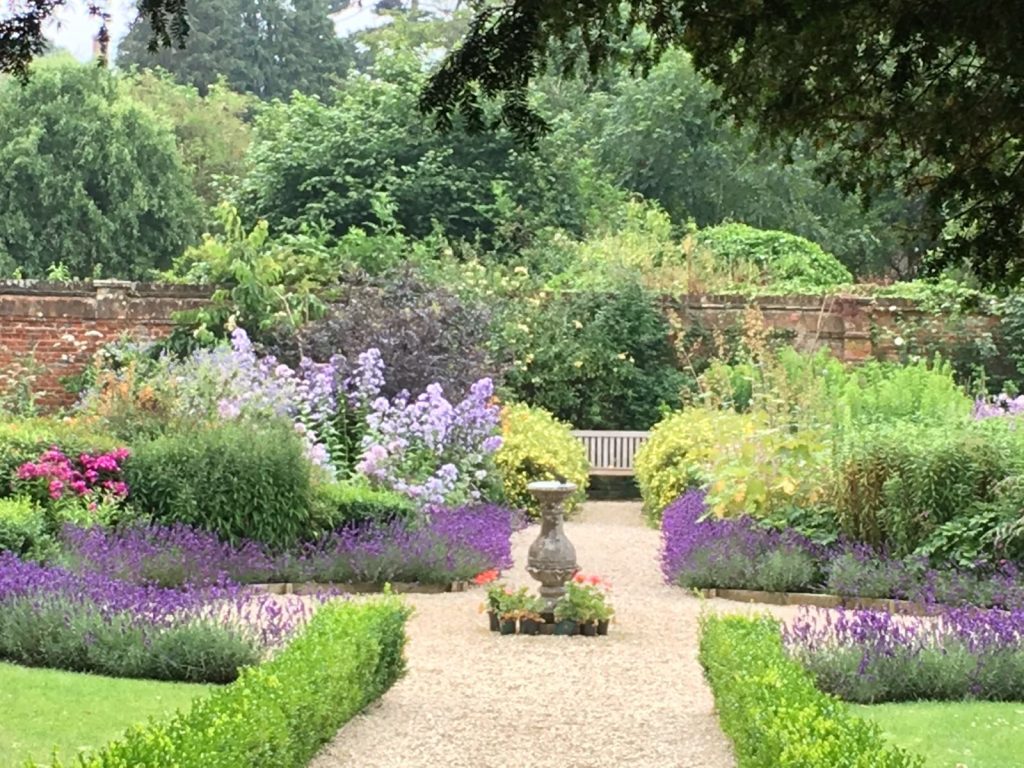
Beautiful garden in Oxfordshire
A few weeks ago, I announced my new free painting course, Painting with Inessa, which begins this October. I shared the news on my social media and posted it on a few local community platforms, feeling quite confident that I knew exactly who would respond.
For months I had been creating the course with a very clear picture of my ideal student. I imagined people in their forties, fifties and beyond. People who had spent years building careers, raising families and constantly rushing through life. I imagined those who had reached a stage where they wanted to slow down, make time for themselves and rediscover the creativity they had quietly left behind.
Everything about the course was designed with these people in mind.
When the first applications began arriving, I wasn’t surprised to see names that matched the audience I had imagined. But then I noticed something I hadn’t expected. More and more applications were coming from people in their twenties. Many of them had never painted before, yet almost every one of them said they wanted to learn botanical painting.
I remember sitting there wondering, Where has this sudden interest in botanical painting come from?
It wasn’t abstract painting they were looking for.
It wasn’t acrylics or portraits.
It wasn’t sketching.
They had searched specifically for botanical painting.
That surprised me.
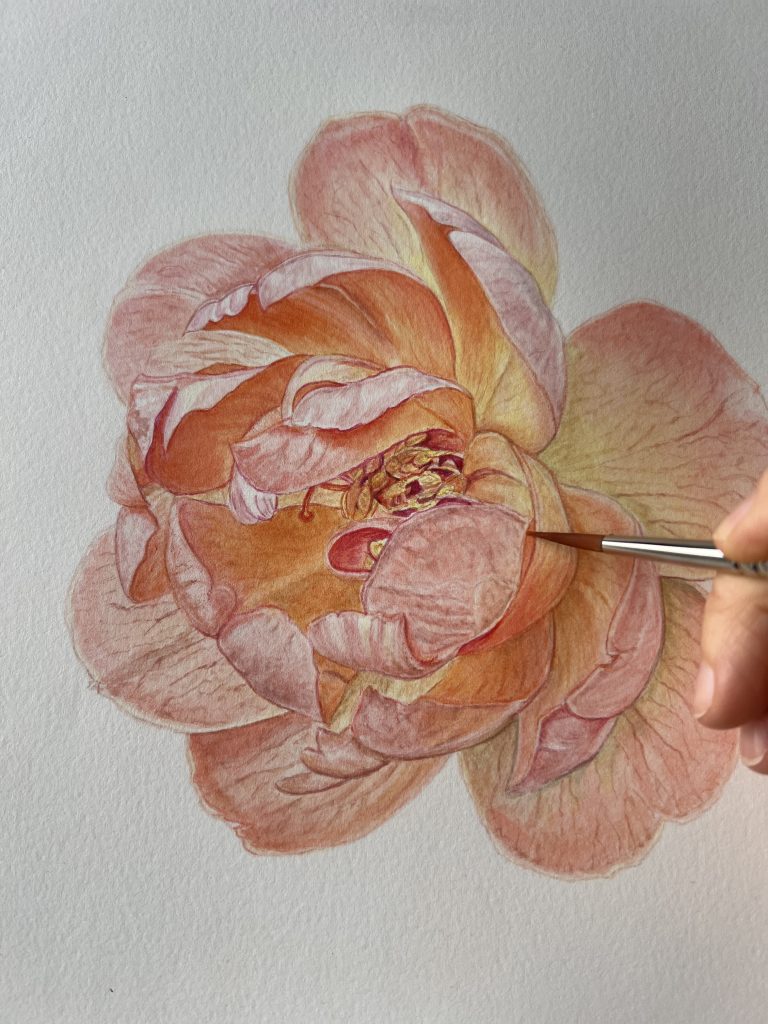
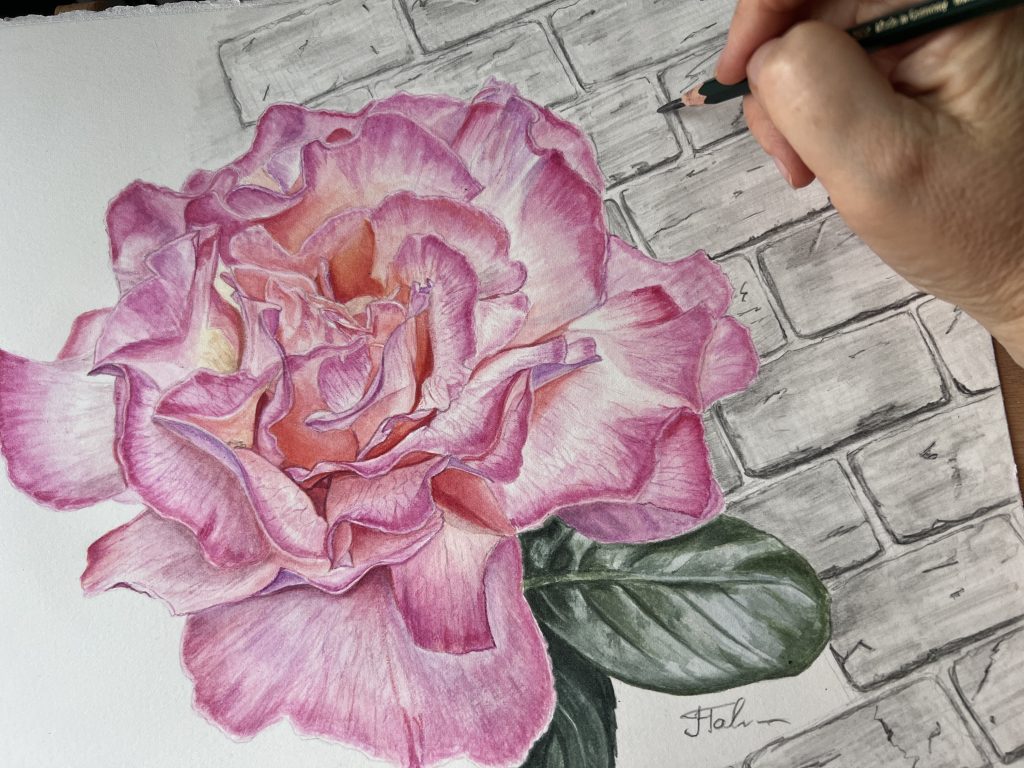
Botanical rose paintings
Botanical Painting Is No Longer Just for Experienced Artists
For many years, botanical painting has been seen as a rather specialised art form. It is often associated with scientific illustration, museums or experienced artists who have spent years perfecting their skills.
Perhaps that image is beginning to change.
Many of the people joining my course described themselves as complete beginners. They weren’t looking for a professional qualification or hoping to exhibit their work. They simply wanted to learn something beautiful, work with watercolours and spend time painting plants.
That made me realise that beginner botanical art is becoming far more accessible than it once was.
When I created Painting with Inessa, my goal was never to teach only experienced artists. Quite the opposite. I wanted to show that anyone can begin. You don’t need expensive materials or years of drawing experience. You need curiosity, patience and a willingness to look at nature a little more closely. The painting skills develop with practice.
A Different Kind of Creativity
The more I thought about those applications, the more I wondered if something much bigger was happening.
Young people today have grown up in a world filled with technology. They communicate through screens, study online and spend hours every day surrounded by digital images. Artificial intelligence can create a picture in seconds. Social media gives us thousands of photographs with a single swipe.
Perhaps that is exactly why so many people are looking for something real.
Botanical painting cannot be rushed.
You cannot simply glance at a flower and paint it well. You have to spend time observing it, noticing how the light falls across each petal, where the shadows soften the colours and how every leaf has its own unique character. Before long, you stop thinking about everything else because your attention is completely focused on the plant in front of you.
That is a very different experience from scrolling through a screen.
The Quiet Appeal of Mindful Painting
When I first planned my course, I thought I was teaching people how to paint. Now I think I may be offering something more valuable than I realised.
Over the last few years, we have heard so much about mindfulness and wellbeing. People are searching for ways to reduce stress and find moments of calm in increasingly busy lives.
Some people practise yoga. Others meditate. Some find peace in gardening.
Increasingly, people are discovering mindful painting.
Botanical painting naturally encourages mindfulness because it asks us to slow down and pay attention. As we carefully mix colours and build gentle layers of watercolour, our minds become quieter without us even noticing. For an hour or two, we stop thinking about emails, deadlines and everything waiting for us tomorrow. We become completely absorbed in the simple act of observing and painting a flower.
Perhaps that is one of the reasons so many people, regardless of age, are being drawn towards botanical art.
Nature-Inspired Creativity Is Speaking to a New Generation
Another thought came to me as I continued reading through the applications.
Maybe people aren’t only looking for creativity.
Maybe they are looking for nature.
Over the last few years, there has been a noticeable return to gardening, houseplants, nature walks and visits to botanical gardens. More people seem to want hobbies that help them reconnect with the natural world rather than spend even more time looking at a screen.
I believe nature-inspired creativity is part of that movement.
When we paint a flower, we begin to notice things we would otherwise walk straight past. We see delicate veins running through a leaf, tiny changes in colour and the elegant structure hidden inside every petal. Painting teaches us to observe rather than simply look.
Once you have spent several hours painting a plant, you never quite see nature in the same way again.
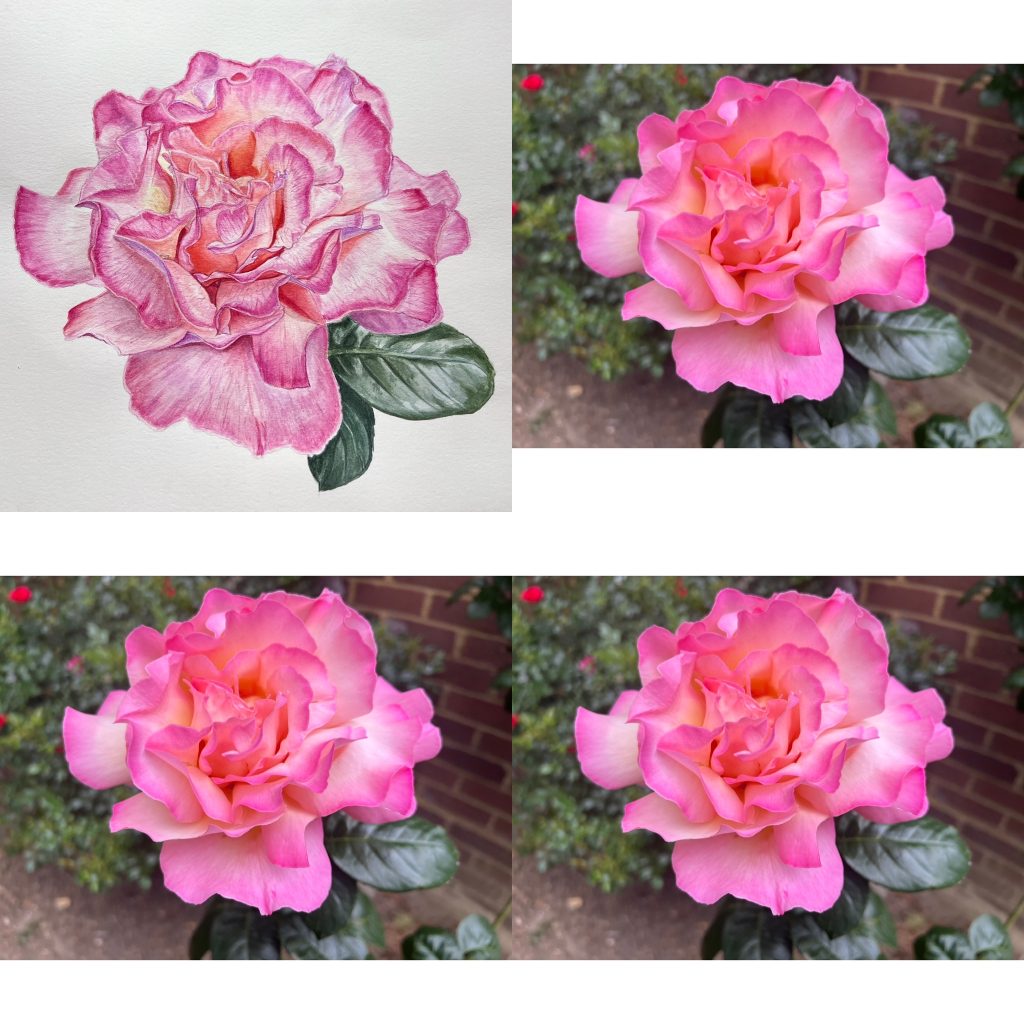
Very detailed rose painting
Perhaps the Signs Were There All Along
As I reflected on the unexpected response to Painting with Inessa, another memory came back to me. Perhaps, without realising it at the time, I had already seen a small sign that young people were searching for a deeper connection with art.
Last year, I took part in an art auction where I had the opportunity to introduce my botanical paintings to visitors while they were deciding which artworks they would like to bid on. Among the guests were two young Ladies from Asia who came over to my display and spent time looking at my work. They told me how much they admired my paintings, and I was touched by their words.
Naturally, I asked them if they painted themselves.
They smiled a little shyly and said yes but there was a moment of hesitation when I asked if they could show me their work. They explained that they created digital art rather than painting with traditional materials.
I became even more curious. I asked them to show me their work and what I saw was completely different from my own approach. Their art was created using technology rather than watercolour and brushes, yet I found it fascinating. It had its own beauty, imagination and unique way of expressing ideas.
For some reason, I remember that conversation very clearly.
At the time, I did not think much about it. I simply enjoyed meeting two young artists who were passionate about creativity in a different form. But now, after receiving so many applications from young people wanting to learn botanical painting, I find myself thinking about that evening again.
Perhaps those two young women had already shown me something I wasn’t ready to notice.
Technology has not replaced the desire to create with our own hands. It has simply given people new ways to express their creativity. And perhaps, after spending so much time in a digital world, many people are now searching for the opposite experience too: the feeling of holding a brush, working with real materials and creating something slowly and thoughtfully.
Maybe the signs were there all along.
The Lesson I Didn’t Expect to Learn
The biggest surprise wasn’t discovering that young people are interested in botanical painting.
The biggest surprise was discovering that I had underestimated them.
Like many people, I had assumed that younger generations wanted everything to happen quickly. I imagined they would be more interested in digital creativity than in traditional watercolour painting.
Instead, I found people who were actively searching for a slower way of creating.
They wanted to make something with their own hands.
They wanted to learn a new skill.
They wanted to spend time away from screens.
Most of all, they wanted to create something that felt real.
I found that incredibly encouraging.
Painting Brings People Together
One of the things I am now most looking forward to is seeing people of different generations painting together.
Some students may have spent decades working before finally deciding to make time for themselves. Others may be just beginning adult life.
They will all arrive with different experiences, different stories and different reasons for joining.
Yet once everyone sits down with the same flower, the same brushes and the same sheet of paper, those differences begin to disappear.
Nature doesn’t care how old we are. Every artist starts in exactly the same place: by observing.
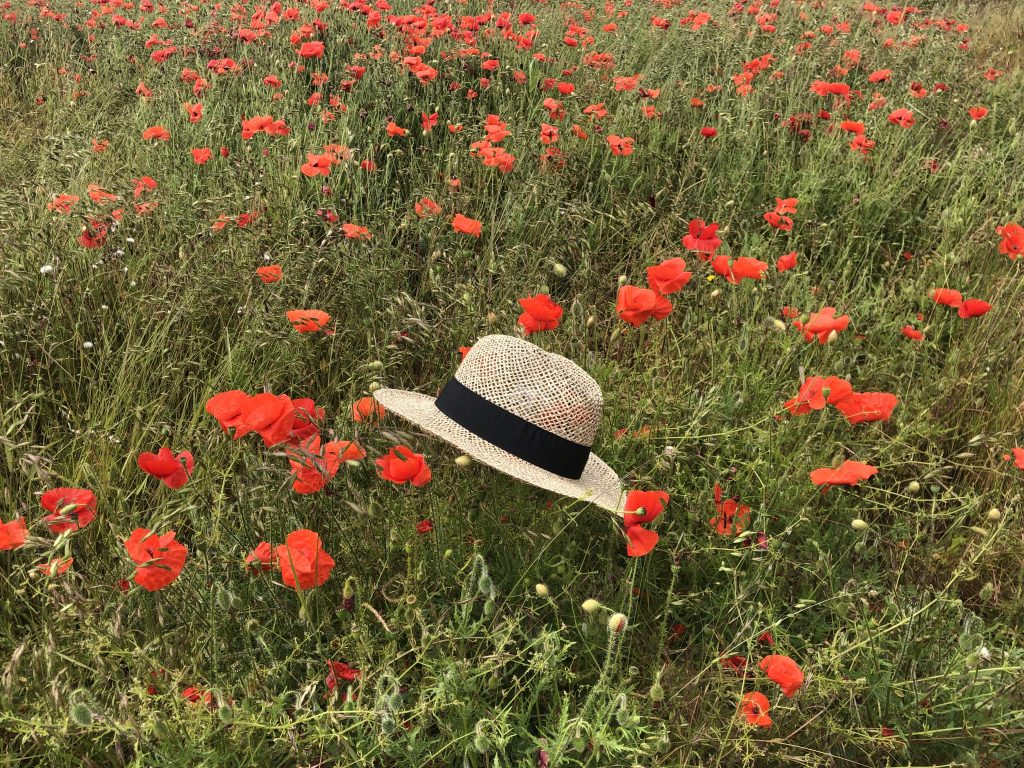
Observing the plants in country side
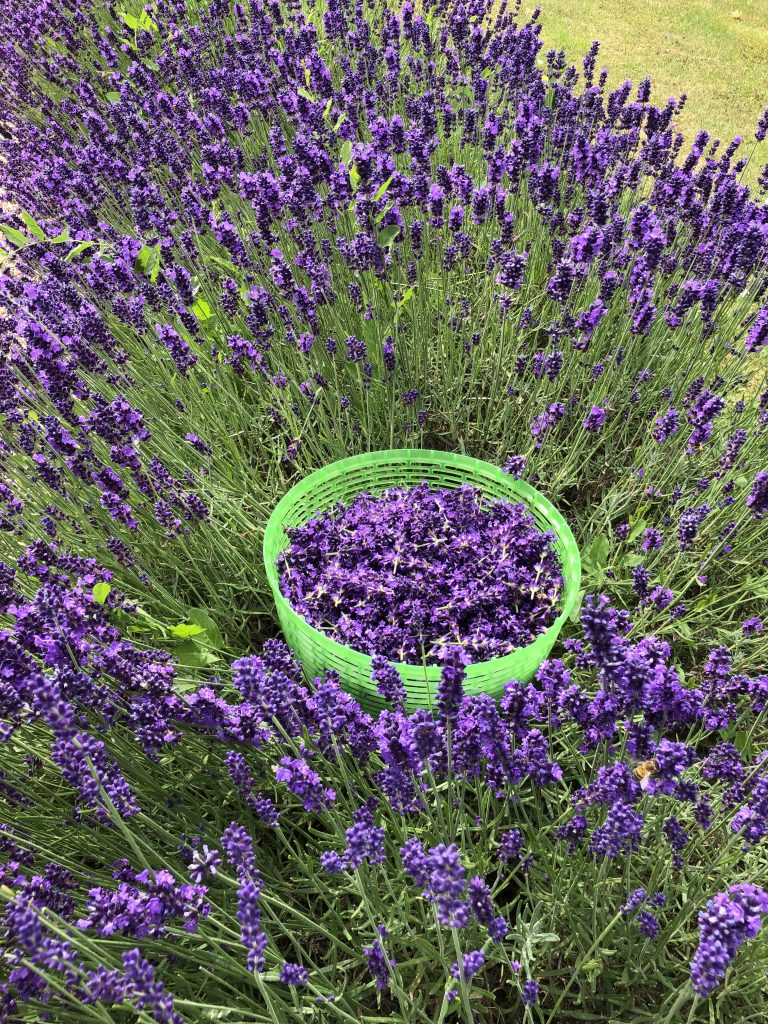
Why Botanical Painting Matters More Than Ever
As a botanical artist I have spent years studying plants in extraordinary detail. My training at the Royal Botanic Garden Edinburgh and my diploma studies with Society Botanical Artists, together with years of painting and exhibiting internationally, has shown me that botanical painting is about much more than producing an accurate picture.
It teaches patience. It develops observation. It encourages curiosity.
Most importantly, it changes the way we experience the natural world.
Perhaps that is why interest in botanical painting continues to grow.
In a world that constantly competes for our attention, botanical painting quietly reminds us to slow down, notice the beauty around us and enjoy the creative process without worrying about the result.
Looking Ahead
Creating Painting with Inessa has already taught me an unexpected lesson.
I thought I was designing a course mainly for people navigating midlife and searching for a quieter chapter in their lives.
Instead I discovered that the desire to slow down, reconnect with nature and explore creativity belongs to every generation.
Whether someone is twenty-five or sixty-five, the reasons for joining may be different but the feeling they are searching for is often the same.
A little more peace. A little more beauty. A little more time to create something with their own hands.
If the response to my course has shown me anything, it is that botanical painting is no longer a niche art form. It is becoming a way for people of all ages to reconnect with nature, discover the joy of mindful painting and experience the quiet satisfaction that comes from creating something slowly and thoughtfully.
And perhaps that is exactly what so many of us have been looking for all along.
— Inessa
ABOUT THE AUTHOR
Inessa Falina is a London-based botanical artist and teacher. A fellow of the Linnean Society in London and member of the Chelsea Physic Garden Florilegium Society and Society Botanical Artists, she has exhibited at The Mall Galleries and Chelsea Old Town Hall, with work held in private collections across Europe, the USA and Australia. Through her art and teaching, she helps people slow down, observe nature deeply and find calm through the practice of painting. You can follow her work on Instagram at @inessa.falina