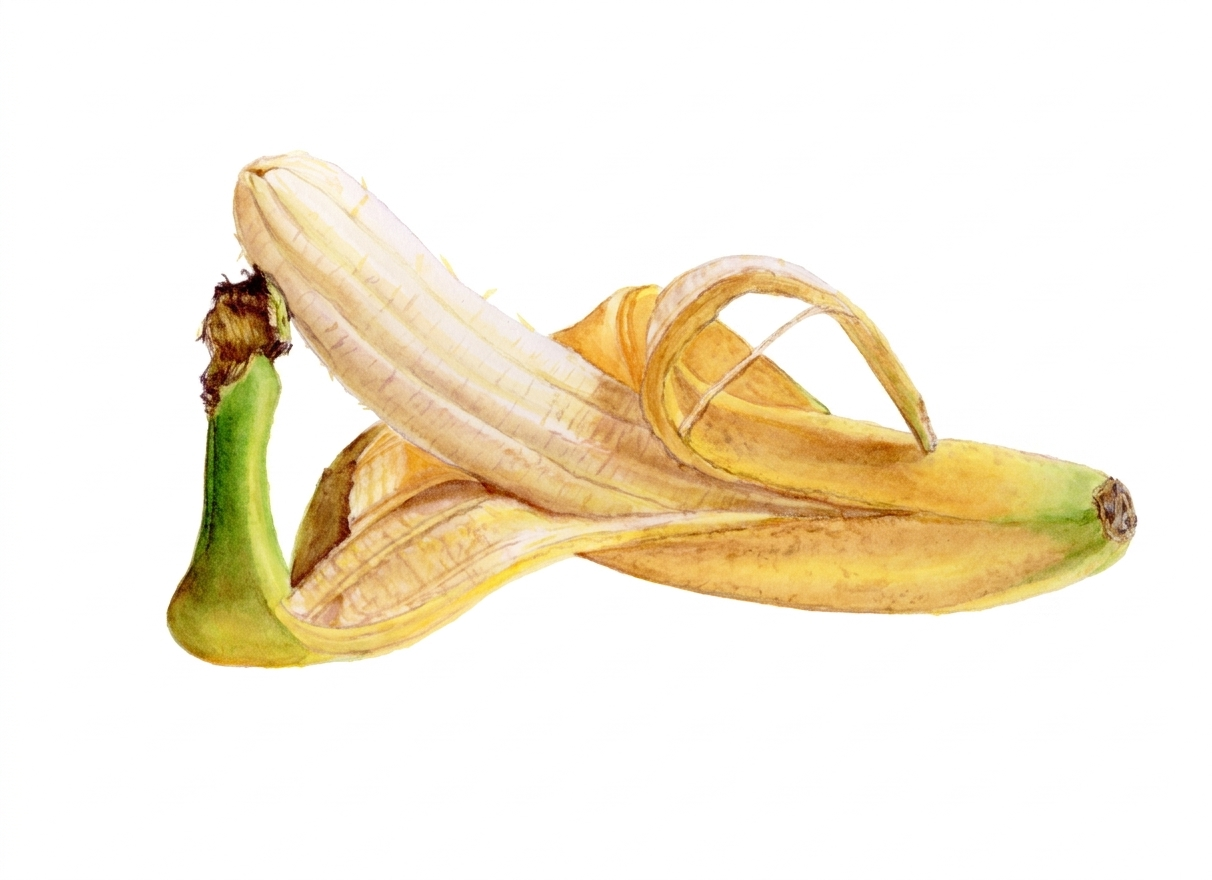
“Posing Banana” was featured by Saatchi Art.
Two years ago, I discovered humorous botanical art almost by accident. While there are botanical exhibitions around the world, there are actually not so many of them. As a botanical artist, this made me stop and think — what if I could create something that still uses my botanical skills, but can live outside the strict botanical art world and reach a wider audience?
I decided to experiment. Instead of choosing a traditional botanical subject, I chose a banana.
In botanical art, bananas are not usually considered an “ideal” subject. They are rarely shown in exhibitions and often sit far away from the elegant flowers and classical plant studies. But I saw something in it.
I brought a banana into my studio and started playing with it. I moved it around, testing different positions, looking for character. At first it felt a bit silly, almost like a joke. But the more I looked, the more I felt it had personality.
It could look confident. It could look tired. It could look funny. It could almost feel human. At some point, I stopped seeing it as a fruit and started seeing it as a character. I found the pose that made me smile and I painted it.
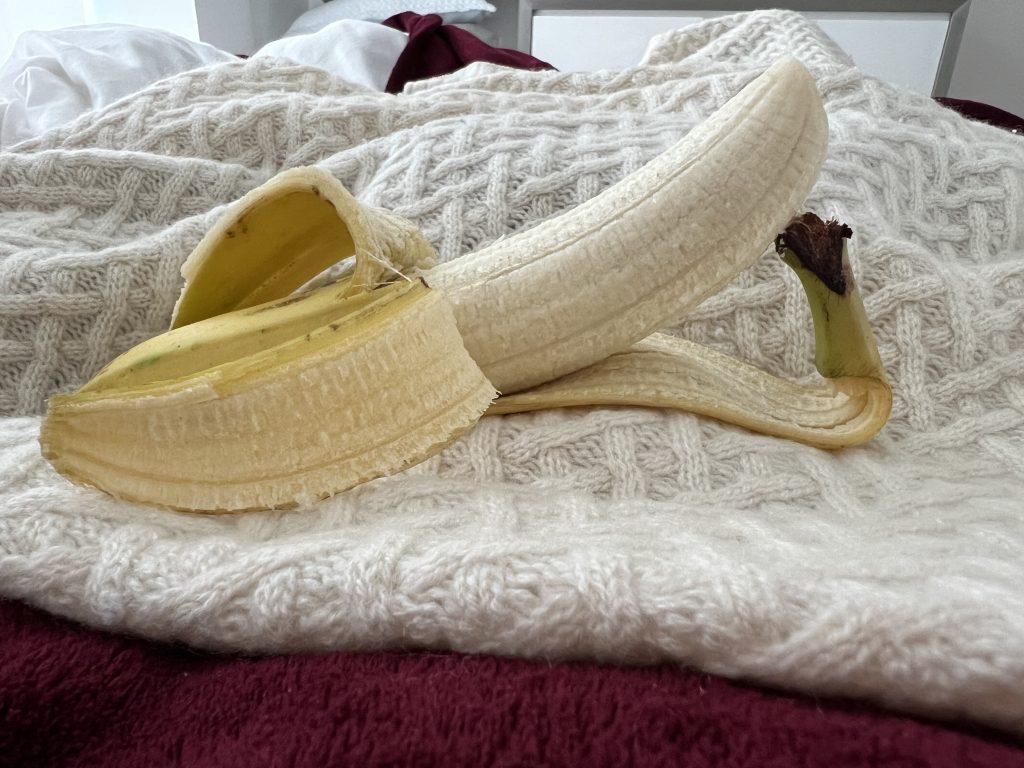
The banana that started it all — posing in my studio, looking for its character.
A Painting With Humour In It
The finished work had humour in it — something quite different from my usual botanical paintings. I submitted it to a non-botanical exhibition and was accepted by The Holy Art Gallery in London.
When the exhibition opened, I delivered the painting to the gallery and attended the private view. My banana was hanging on the wall among many other artworks. I stayed in the room quietly. Not to show who I was, but because I wanted to see what would happen.
And something really stayed with me. People would walk past the painting… then stop. They would turn back. Look again. Smile. Sometimes laugh. Sometimes call someone over. It kept happening again and again.
I watched complete strangers react to a simple painting of a banana. They were not laughing at the painting. They were laughing because they recognised something in it. Each person seemed to see a different story. Some thought it looked relaxed after a long day. Others imagined it was sunbathing or dreaming. A few people even started making up conversations between the banana and the paintings beside it.
That was the moment I understood that humour can create an instant connection. People who might normally spend only a few seconds looking at an artwork stayed much longer. They became curious. They looked more closely at the details, the colours and the technique. The smile opened the door, but then the painting invited them to stay.
As botanical artists, we often focus on accuracy, careful observation and scientific detail. These qualities are important and they remain at the heart of my work. But this experience reminded me that emotion is just as powerful. A painting does not only have to show what a plant looks like. It can also suggest how it feels, or perhaps how we feel when we look at it.
That exhibition gave me the confidence to continue exploring this idea. I began experimenting with other fruits and vegetables, always searching for a pose that hinted at a personality. Instead of inventing expressions, I simply observed what was already there. A slight bend, a curve, the way a stem rested or a leaf folded naturally could completely change the mood.
Soon I realised I had started a new collection. Every subject became a small character with its own story. One carrot appeared to be dancing. Another vegetable looked as if it was giving someone a warm hug. A banana resting on its peel reminded me of someone relaxing after a busy day. None of these poses were forced. They already existed in nature. I simply noticed them.
People often ask me where my ideas come from. The answer is that I spend a great deal of time looking. Plants are full of shapes that we usually overlook. Once you slow down and really observe them, they begin to reveal unexpected expressions and gestures. Nature has an extraordinary imagination if we are patient enough to see it.
This project has also taught me something about audiences. Botanical art lovers appreciate the precision and craftsmanship behind each painting. But people who know little about botanical art can still connect with a painting if it makes them feel something. Humour is a universal language. It crosses age, culture and background. A smile needs no explanation.
Since then, my humorous botanical paintings have been exhibited alongside more traditional works. Rather than replacing classical botanical art, they complement it. They allow me to explore another side of my creative practice while still applying the same careful observation, transparent watercolour techniques and respect for the natural world.
Looking back, it all began with a single banana sitting on my studio table. What started as a small experiment became an important lesson. Sometimes the most ordinary subject can become the most memorable if we take the time to see it differently.
Today, whenever I begin a new painting, I still ask myself the same question: what is the personality hidden inside this plant? Sometimes the answer is quiet and elegant. Sometimes it is playful and full of humour. Either way, I have learned that botanical art can be both accurate and expressive. It can celebrate the beauty of nature while also reminding us not to take life too seriously. And if a simple banana can make someone stop, smile and remember a painting long after leaving the gallery, then perhaps it has achieved something very special indeed.
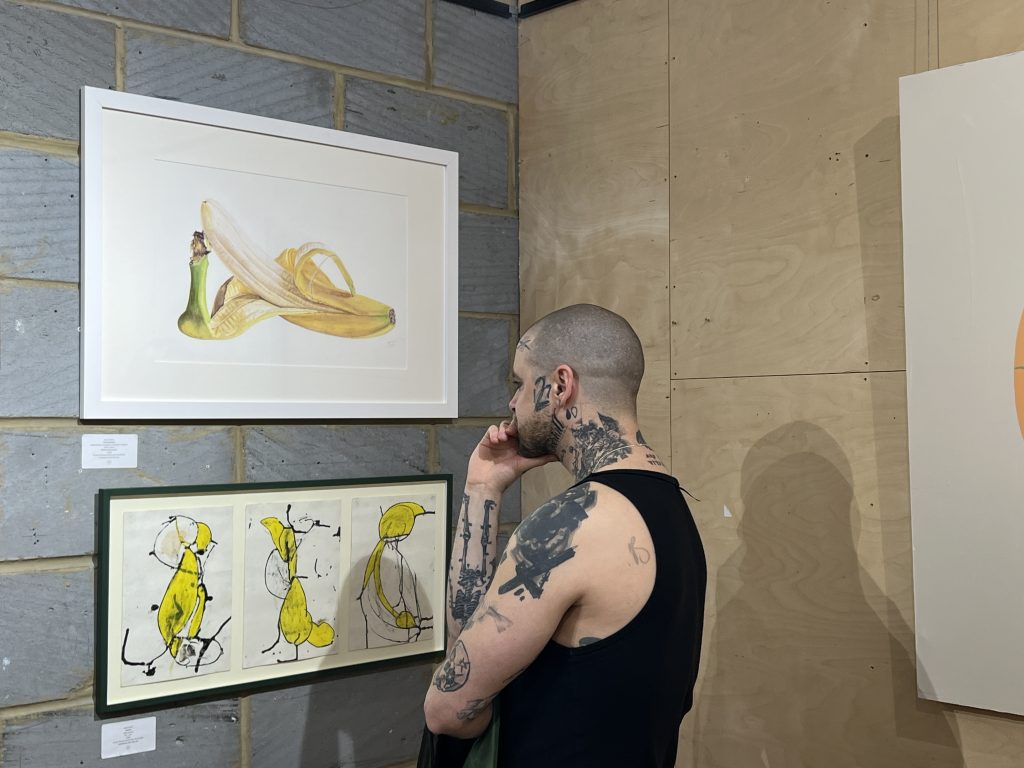
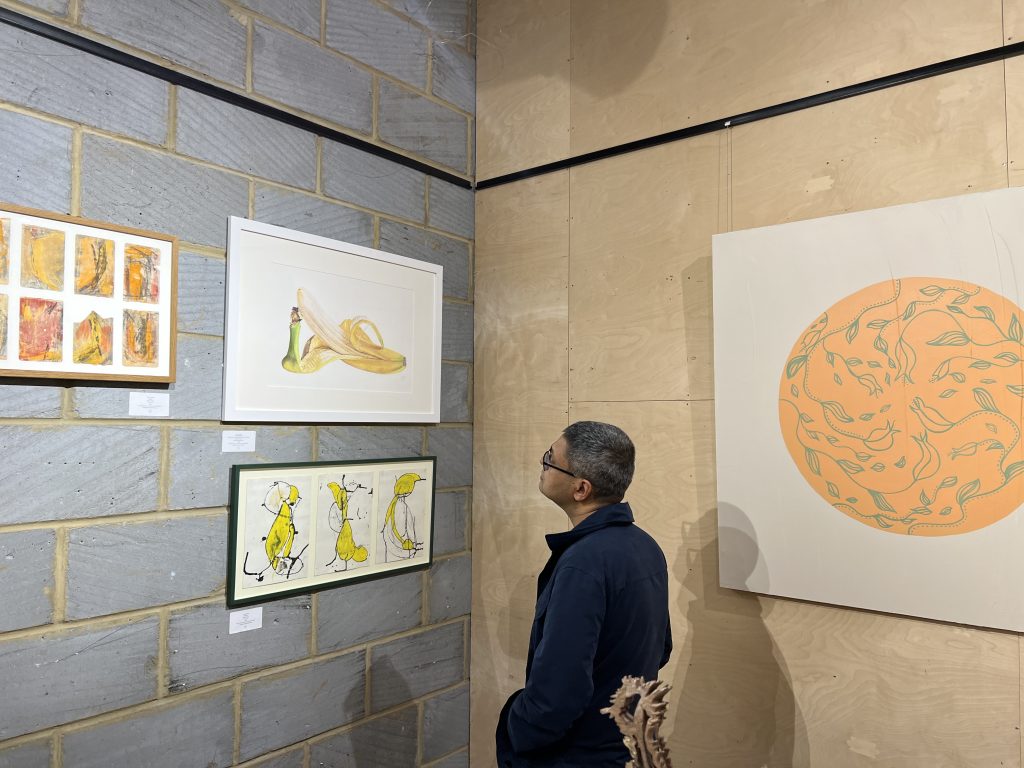
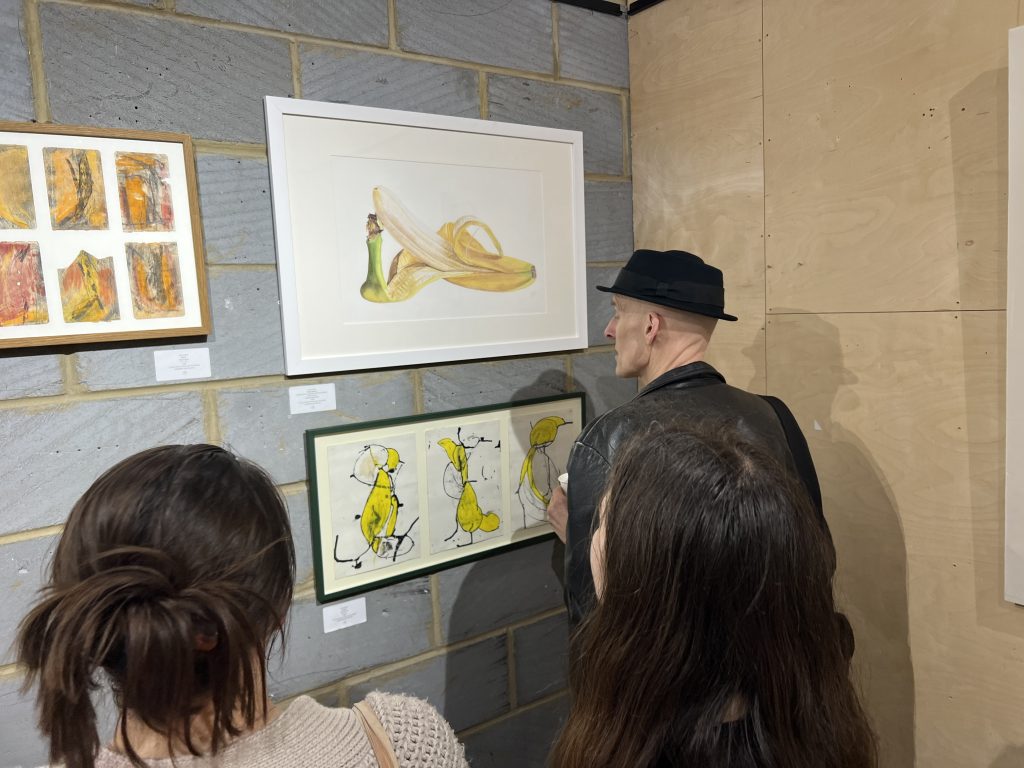
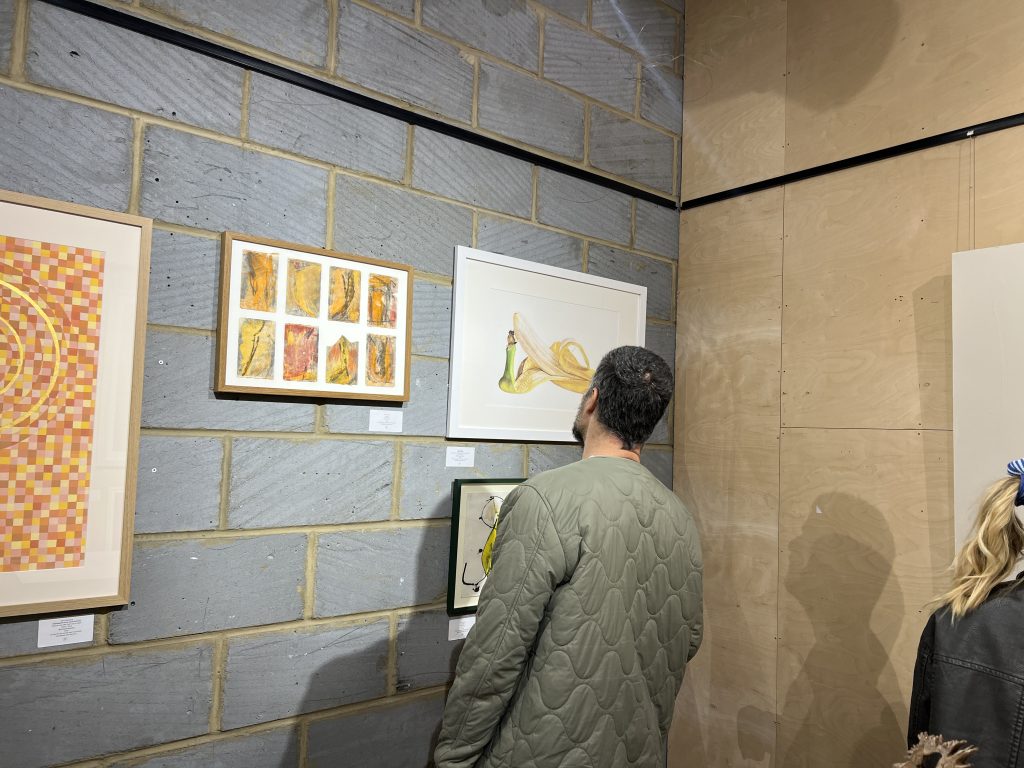
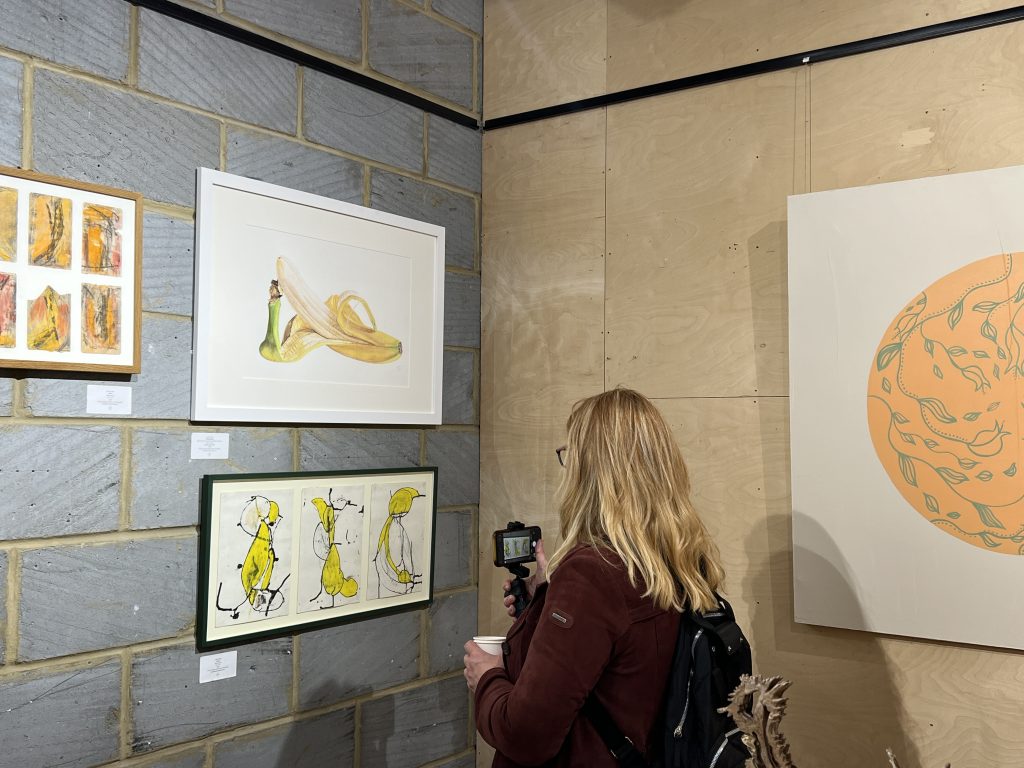
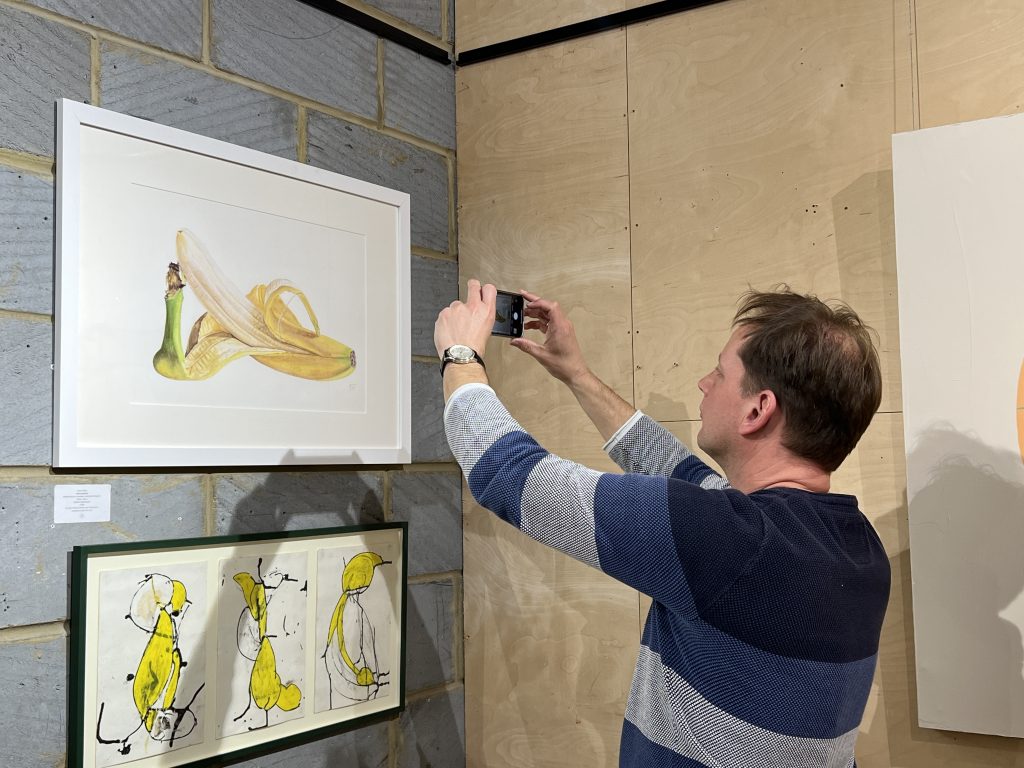
My first exhibition for Posing Banana in The Holy Art Gallery in London
ABOUT THE AUTHOR
Inessa Falina is a London-based botanical artist and teacher. A member of the Chelsea Physic Garden Florilegium Society, she has exhibited at The Mall Galleries and Chelsea Old Town Hall, with work held in private collections across Europe, the USA and Australia. Through her art and teaching, she helps people slow down, observe nature deeply and find calm through the practice of painting. You can follow her work on Instagram at @inessa.falina
— Inessa